Learn. Battle.
Climb the Leaderboard.
EduMillionaire turns STEAM learning into a competitive mobile game where players answer trivia, battle with legend-inspired avatars, use power-ups, earn points, and compete for leaderboard rewards.
The player journey,
from first tap to leaderboard.
8 screens · Figma prototype · End-to-end player flow

1 · Splash

2 · Login / Sign Up
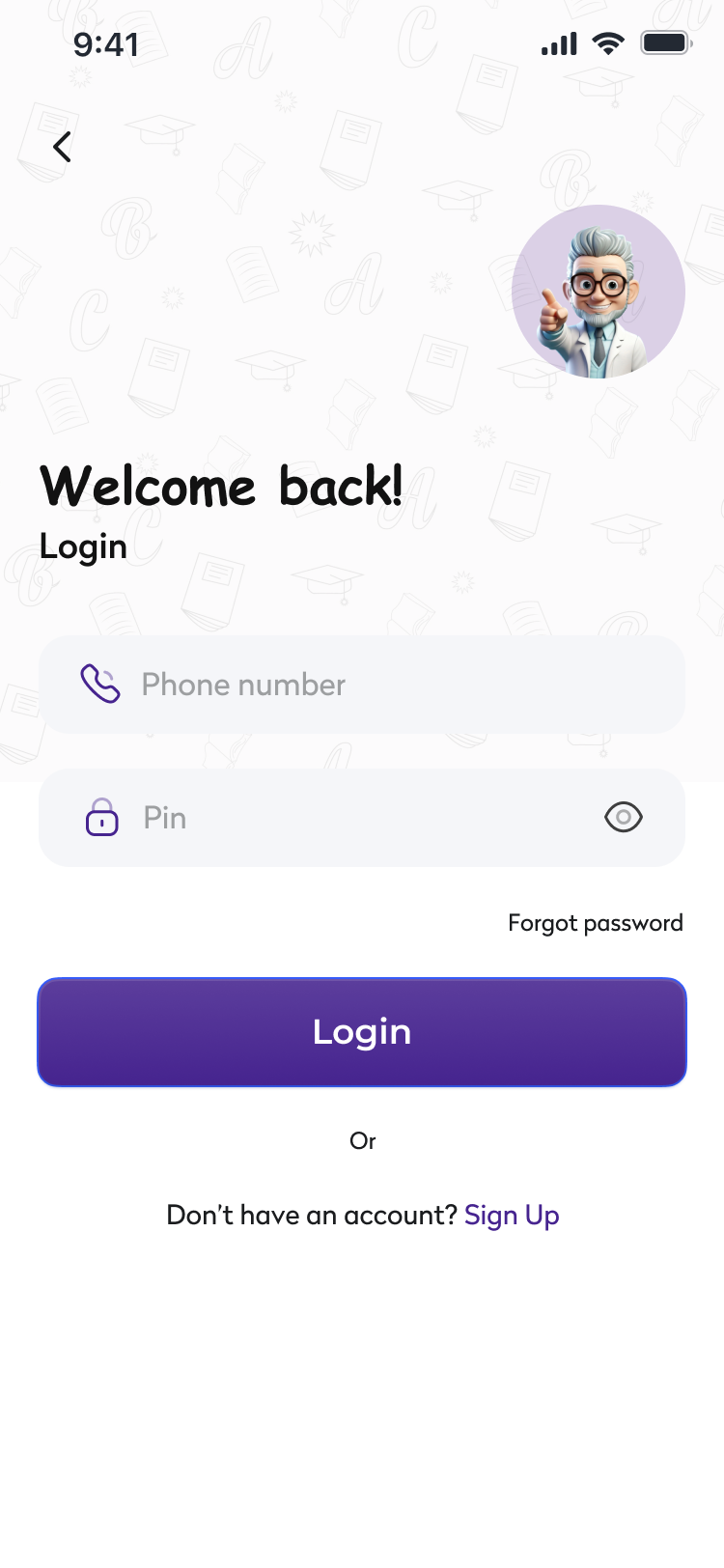
3 · Login
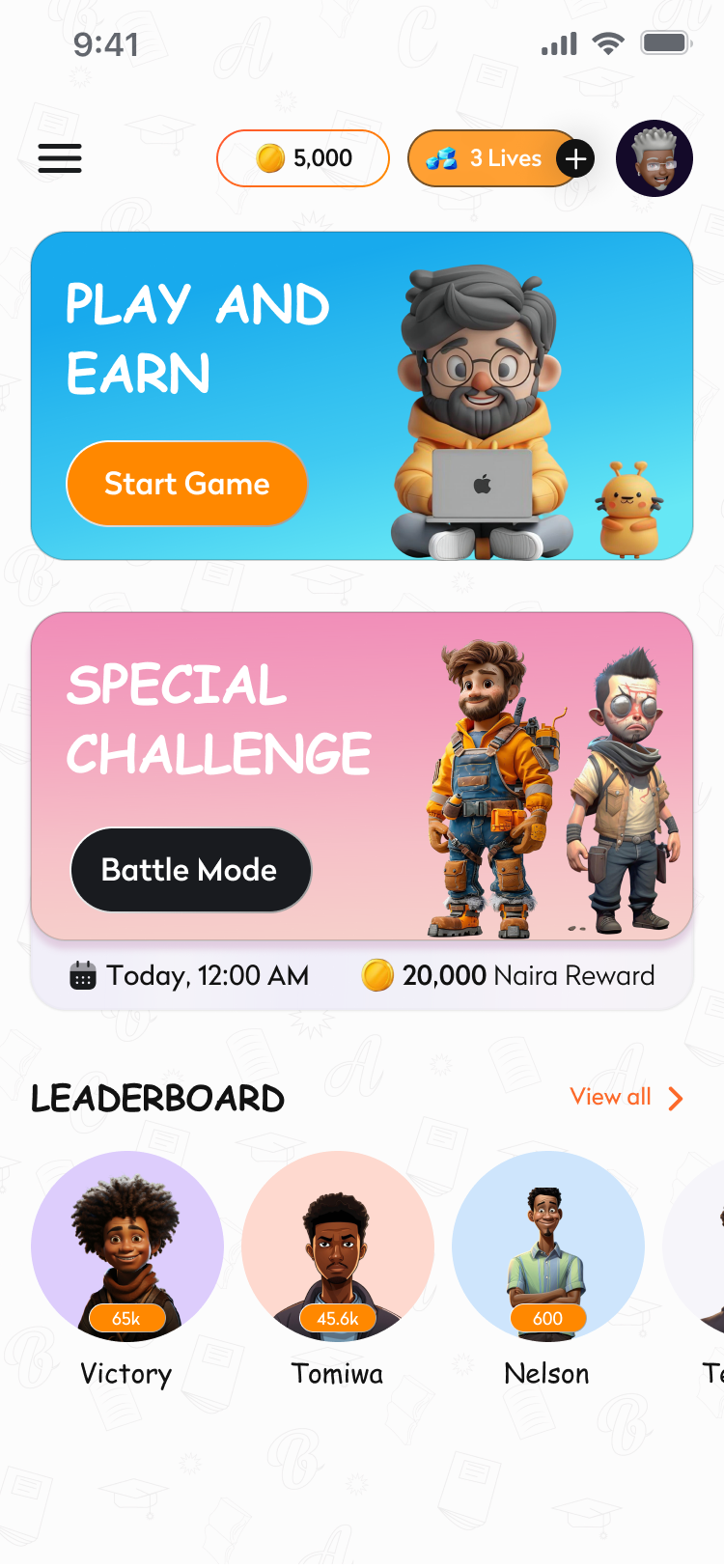
4 · Home
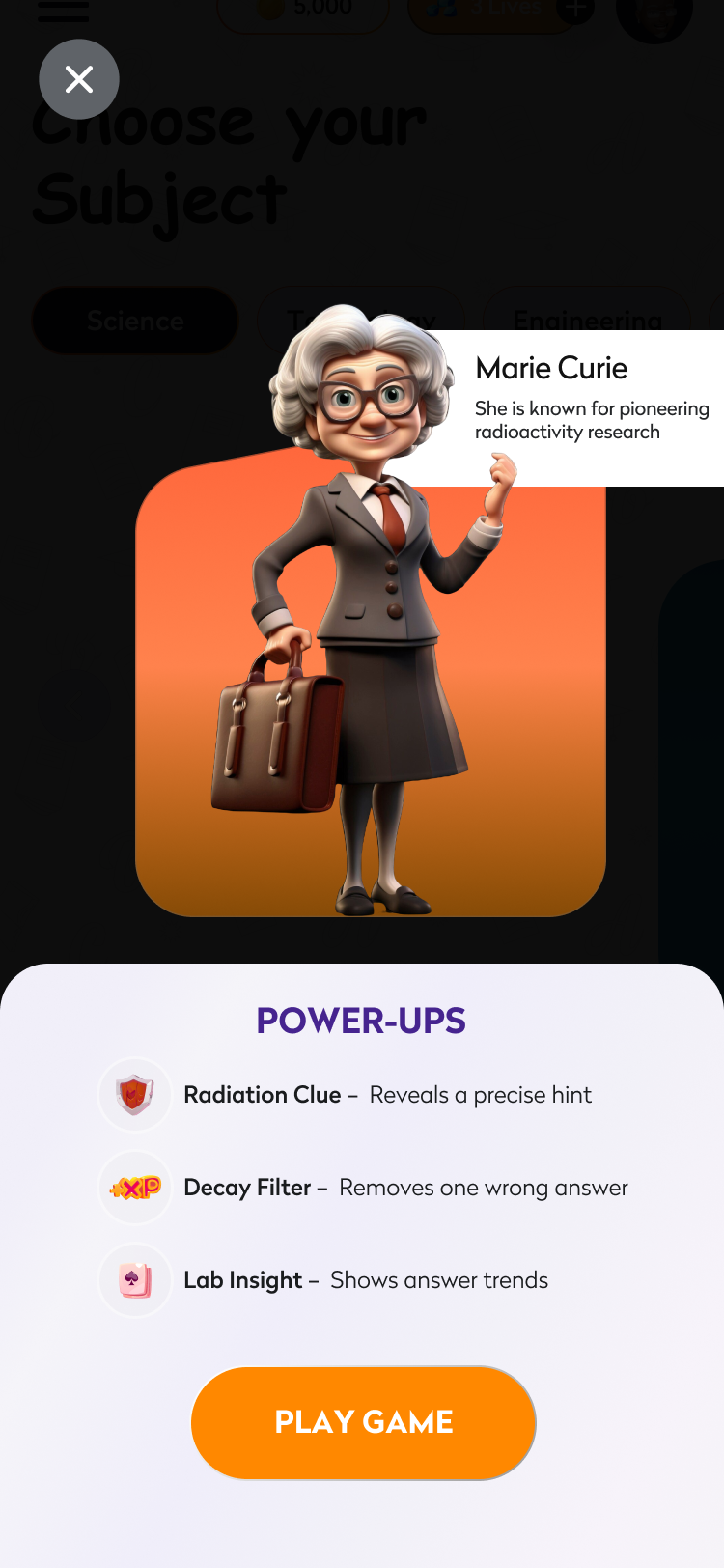
5 · Choose Avatar
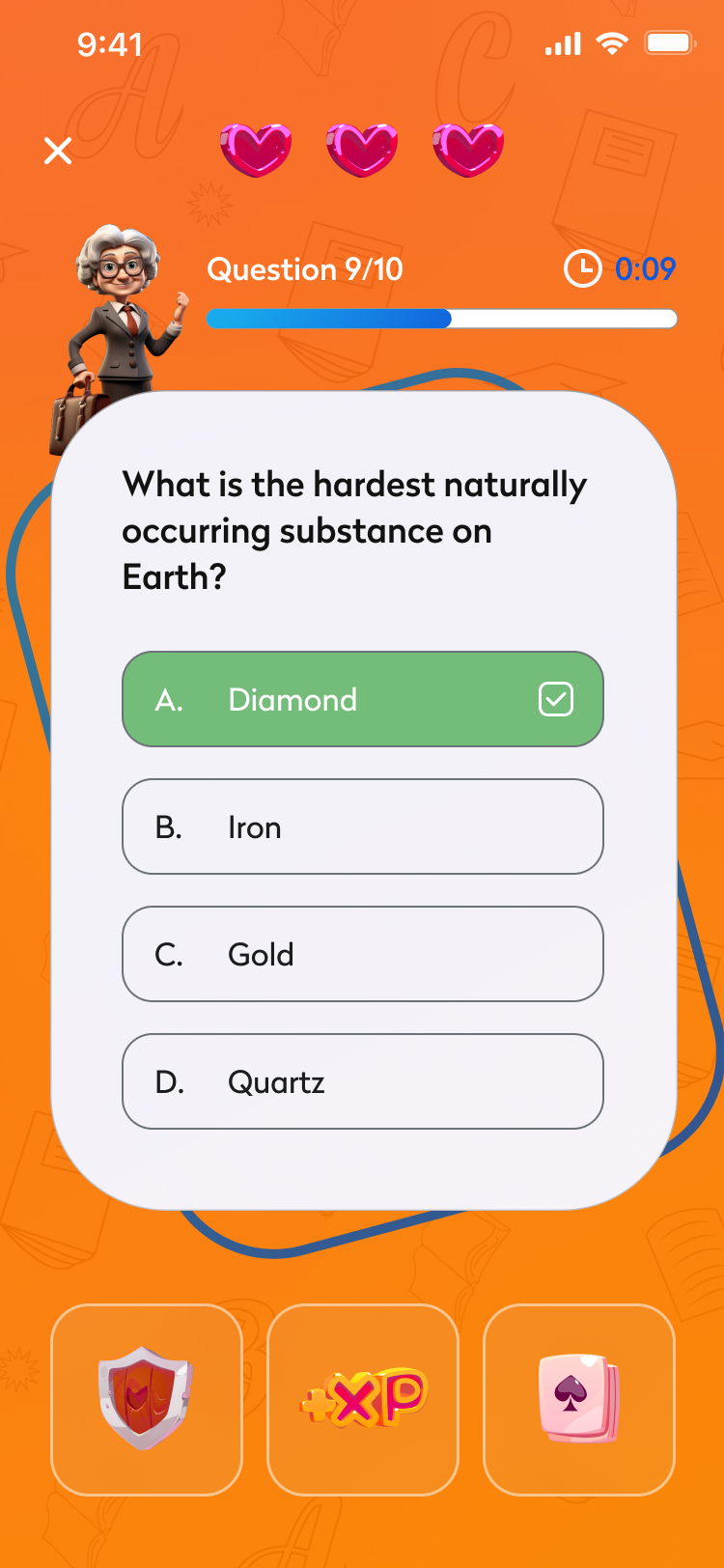
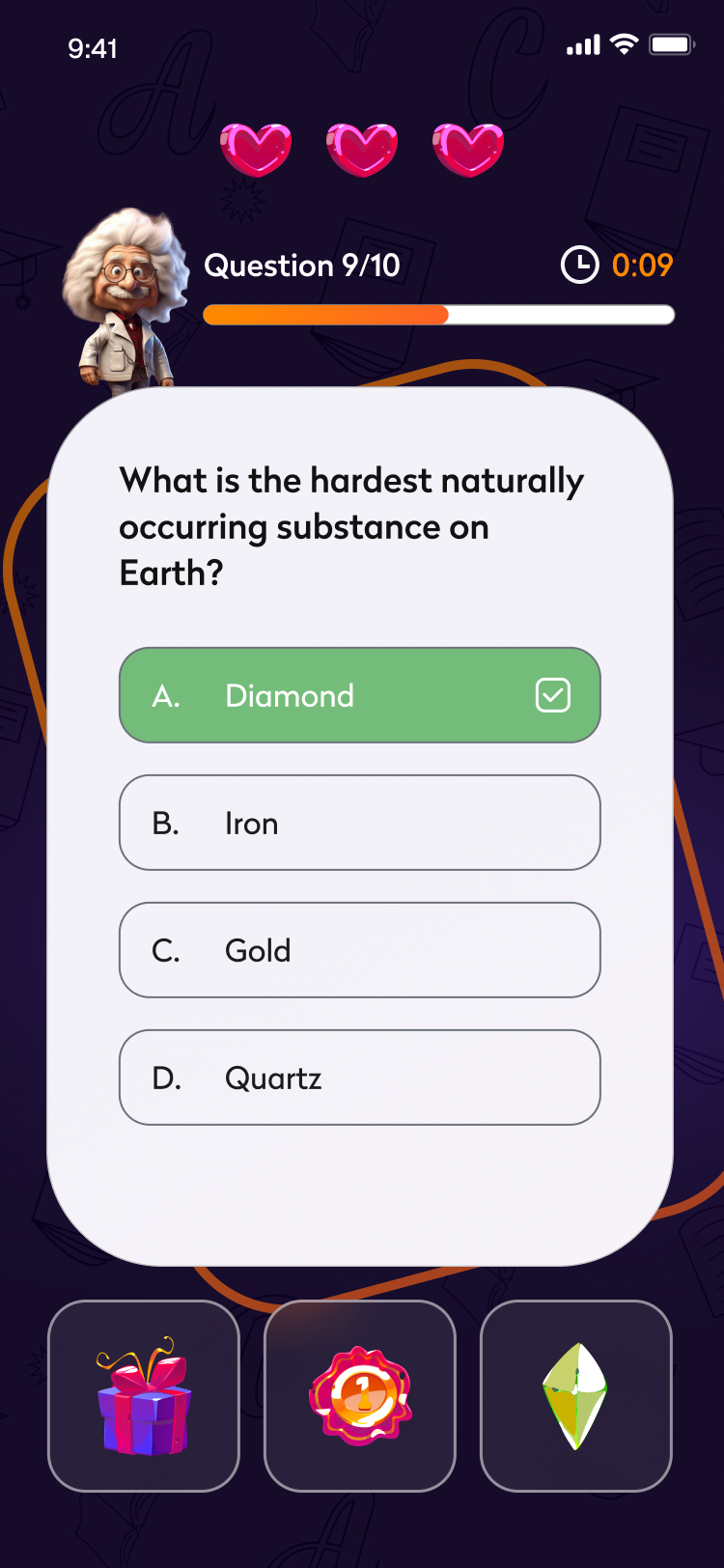
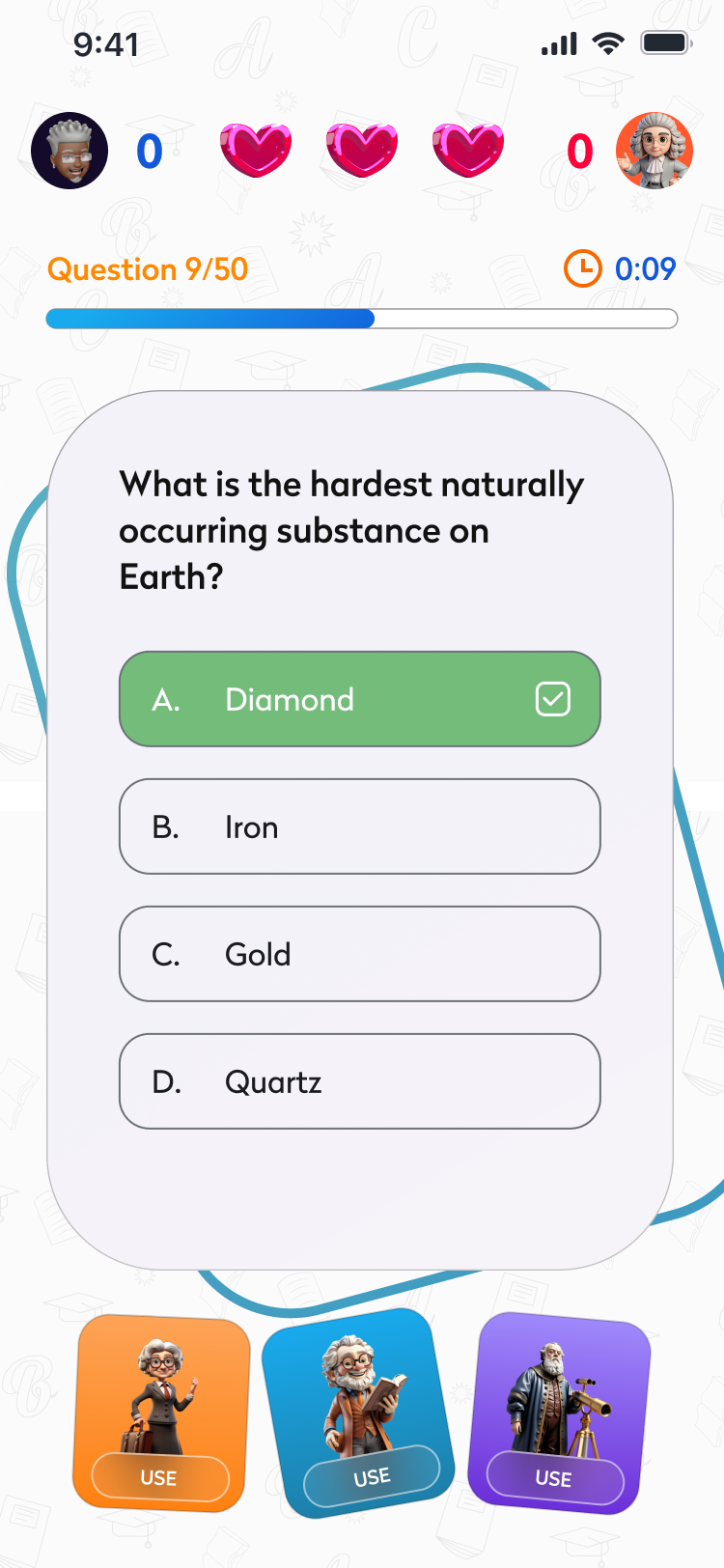
6 · Gameplay
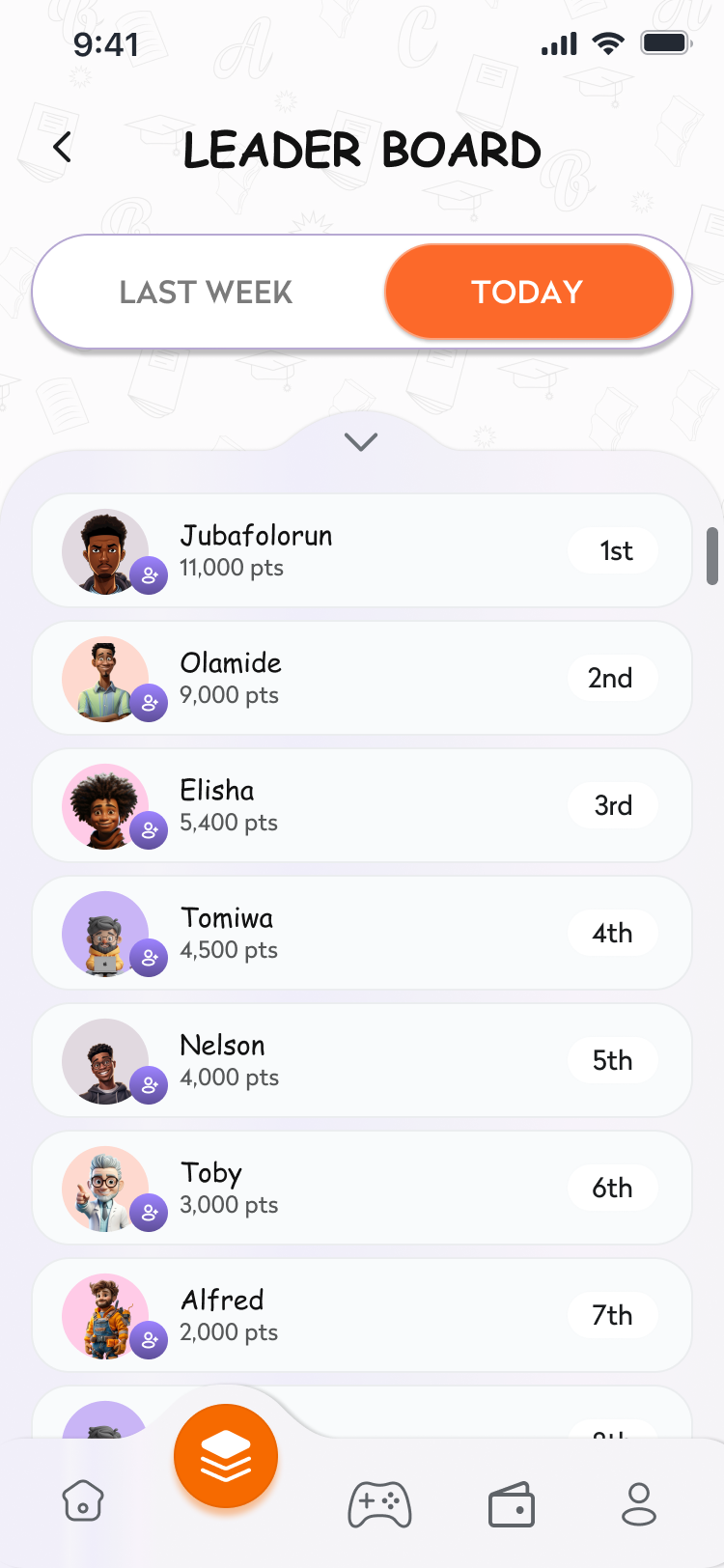
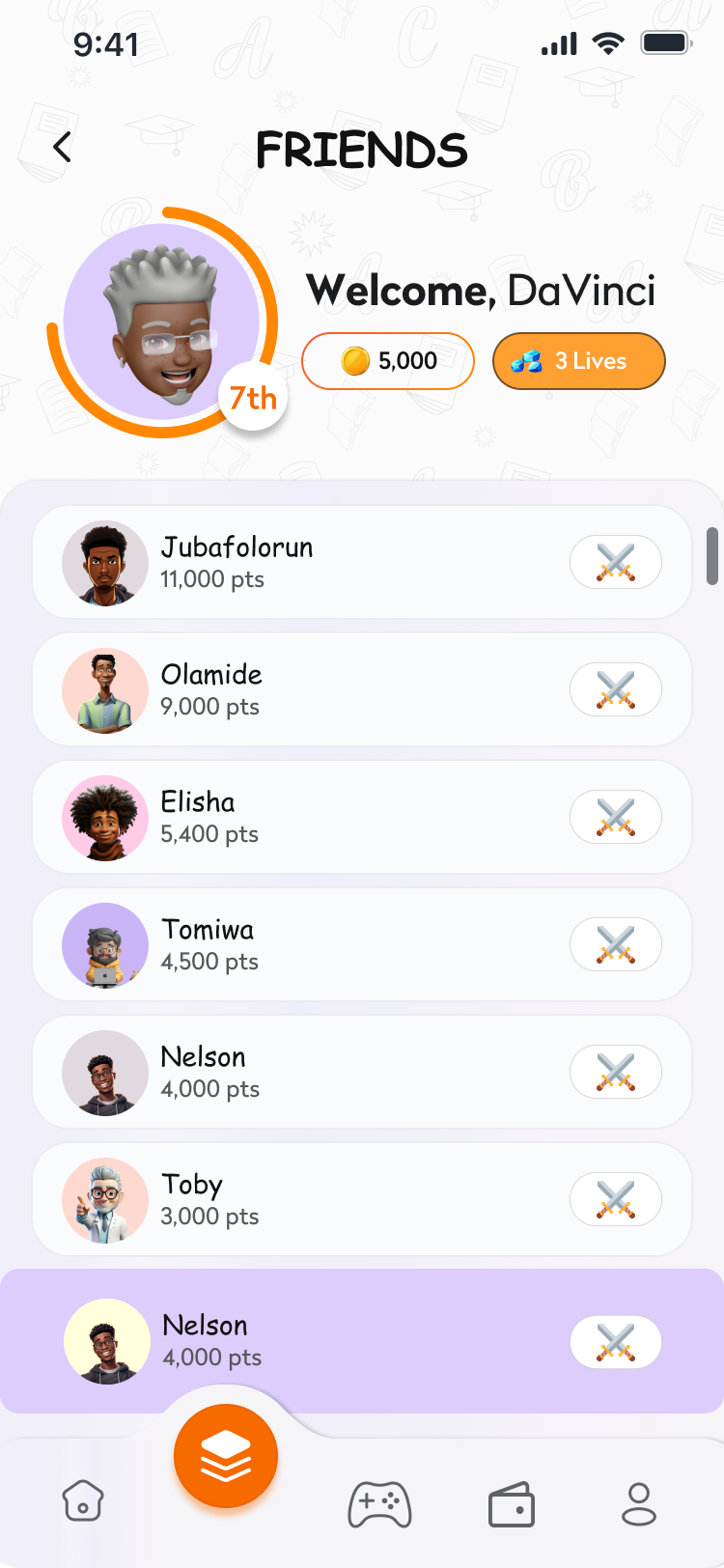
7 · Leaderboard
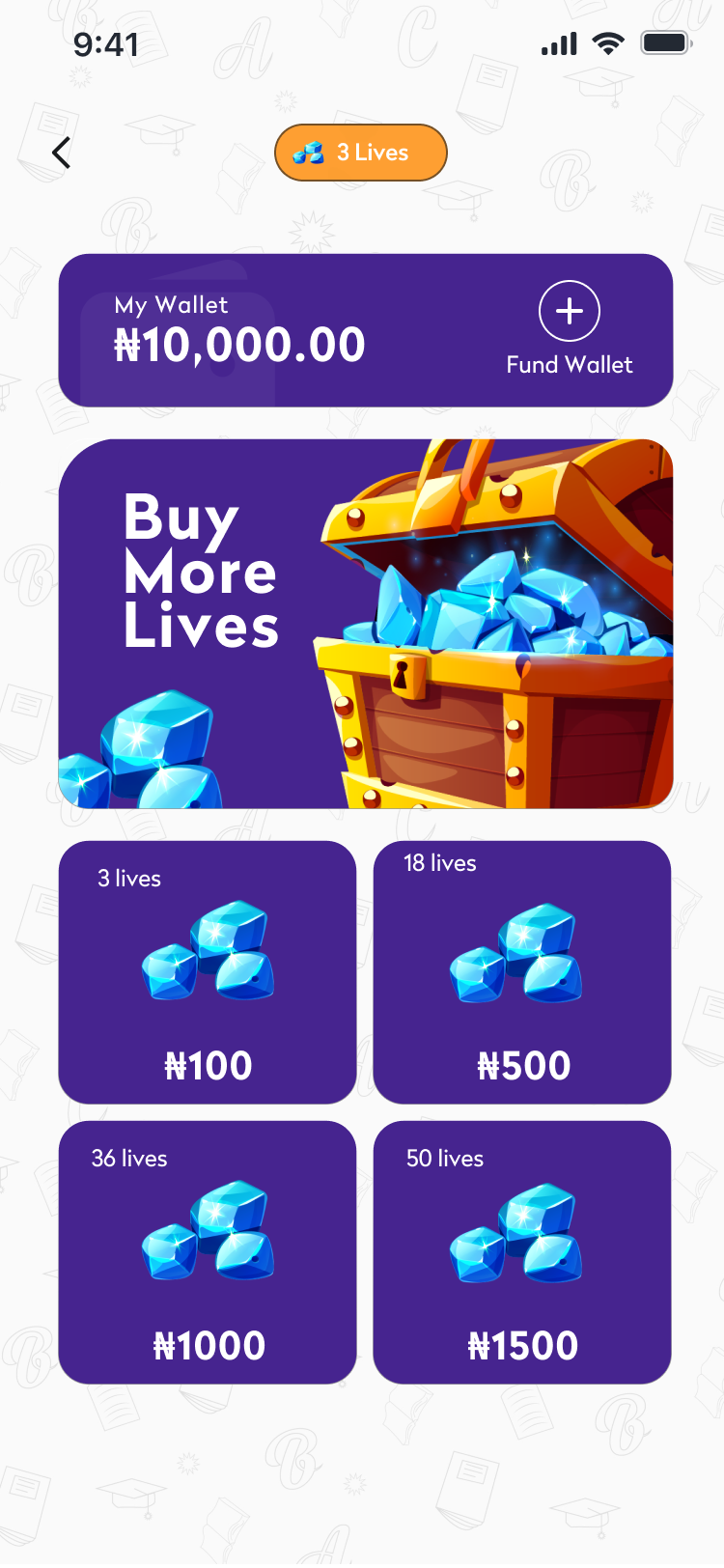
8 · Wallet
What was built.
Why it matters.
How do you make
learning feel like a game?
STEAM content is complex. Trivia games are disposable. EduMillionaire had to occupy both — rigorous enough to teach, compelling enough to replay.
The answer was a game system, not a screen system. Every flow serves the loop — education, competition, and monetization designed to hold together.
Players needed reward
before they needed a lesson.
The game had to feel rewarding before it felt academic — so lives, rank, and reward context appear on the dashboard before a player has answered a single question.
Design hypothesis: Player motivations were synthesised from the product brief, gameplay model, and expected behaviour patterns for reward-driven learning games — not formal user research.
Needs low-friction onboarding, familiar category identity, and difficulty pacing that doesn't punish early sessions.
Driven by rank and mastery. Needs a live leaderboard with real weekly stakes and session mechanics that reward strategy over luck.
Needs transparent prize visibility, a trustworthy wallet, and a withdrawal flow with zero ambiguity about eligibility.
Product Designer,
full game experience.
I owned the mobile game experience from first-time onboarding through gameplay, progression, rewards, and monetization flows.
One loop.
Nine mechanics.
Every mechanic feeds the next — lives create stakes, avatars create strategy, answers create progress, rewards create replay.
Each layer reinforces the others. Lives gate access. Avatars make category choice strategic. Points build rank. Rank unlocks rewards. The loop holds.
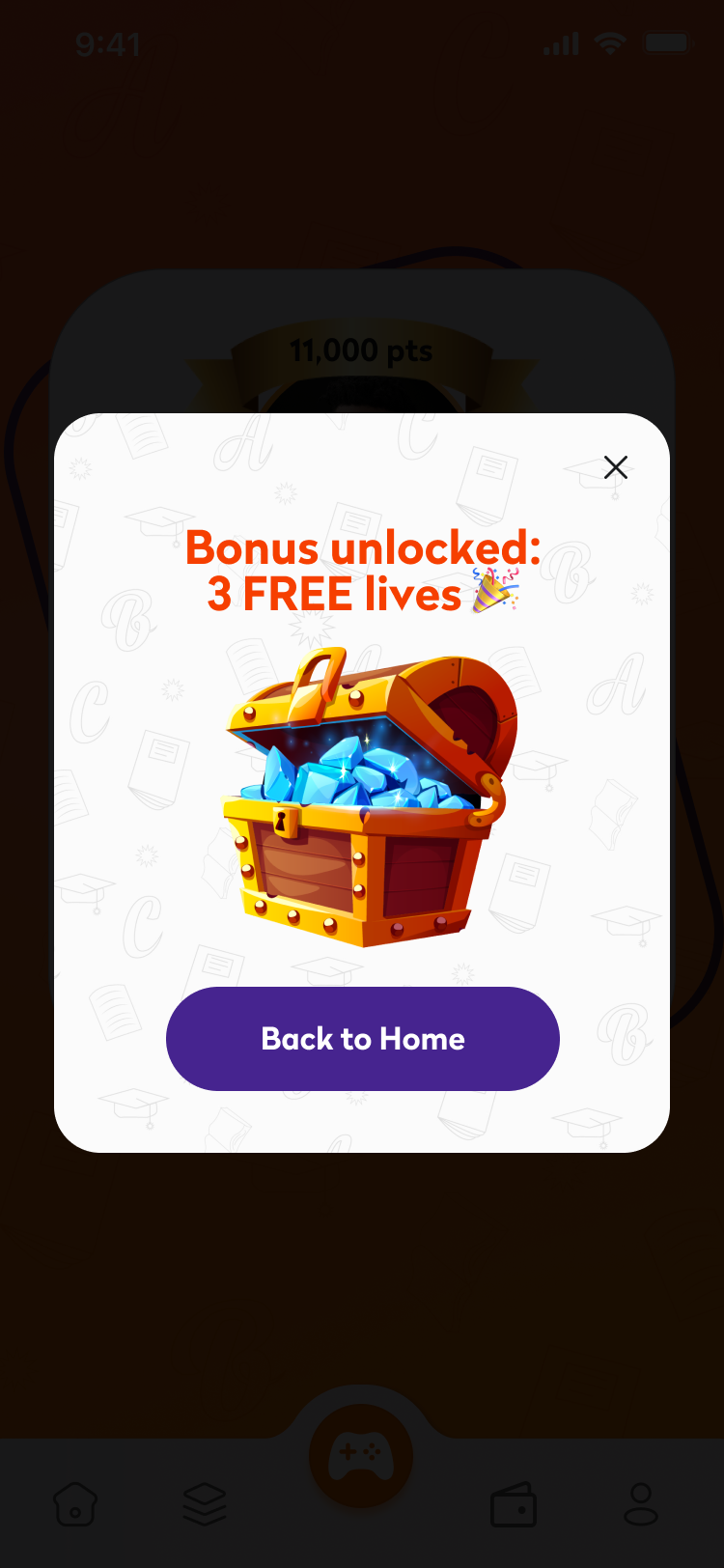
Comeback loop: Zero lives shows purchase options — never a dead end. Bonus lives at onboarding ensure the economy never blocks the first game.
Every screen,
a decision.
From splash to leaderboard — the full EduMillionaire experience mapped screen by screen, phase by phase.
01 · Authentication
First impression is permanent.
The STEAM brand lands before a player types a single character. Scientist avatars, gold type, and clean auth flow signal prestige from tap one.

02 · Email Verification
Trust is built before the first question.
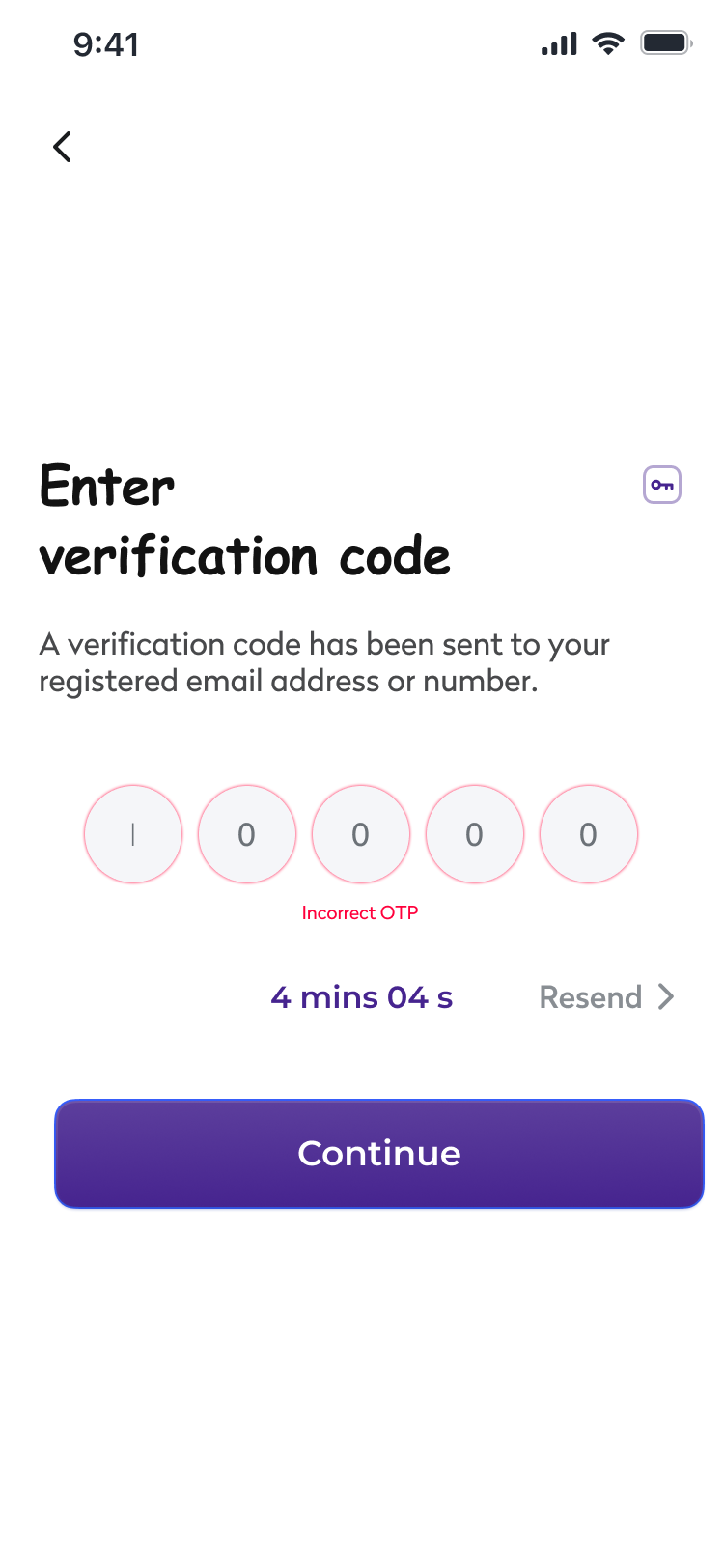
Verification is gate-kept with a reward — completing it feels like a win before the game starts.

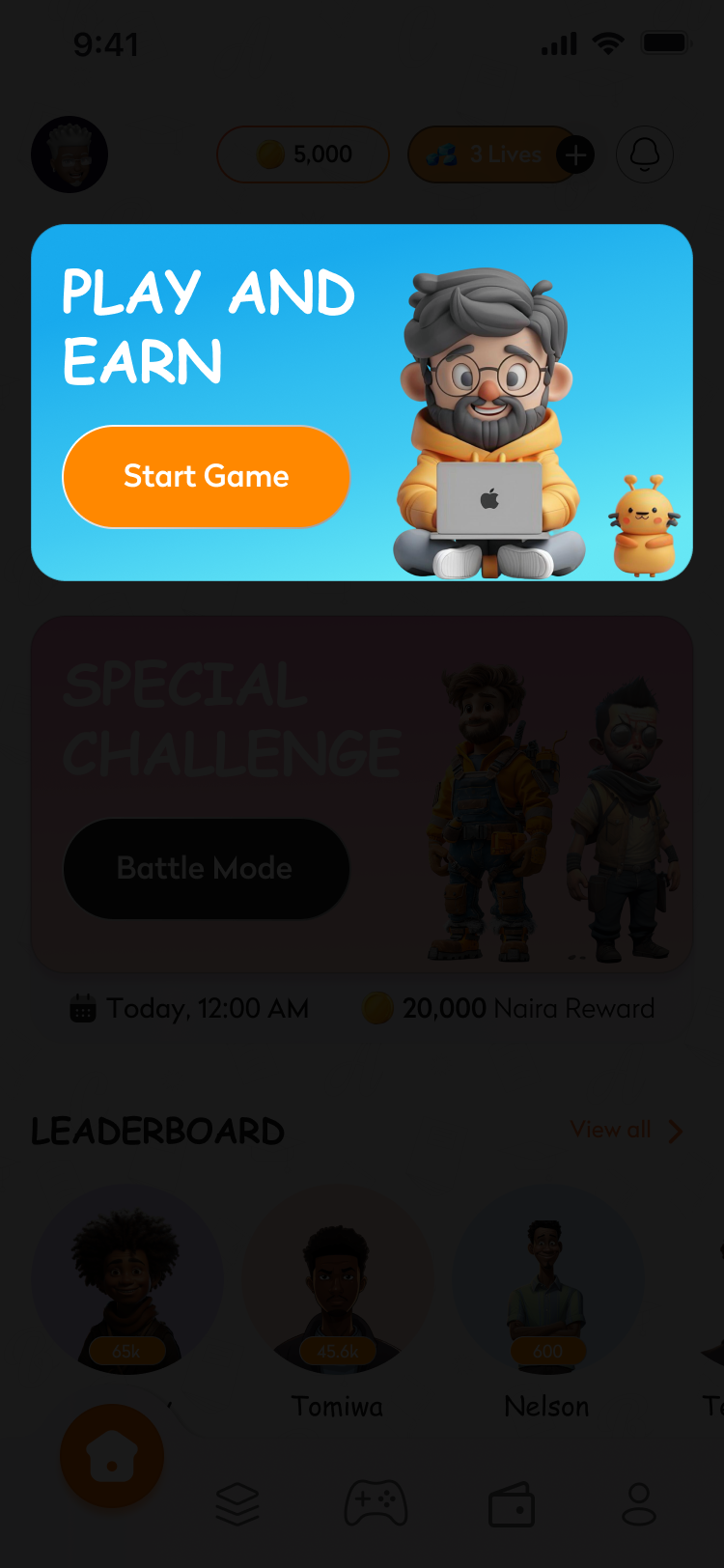
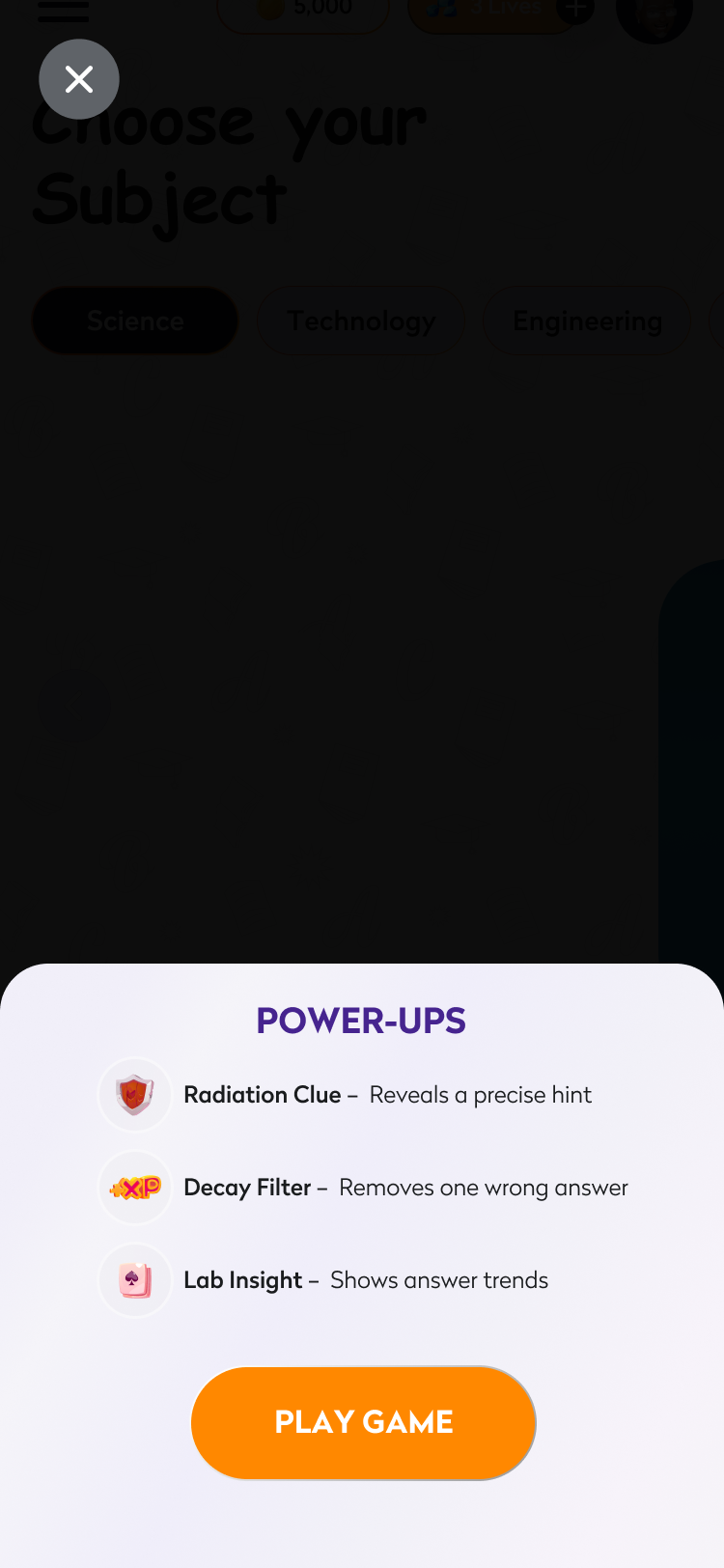
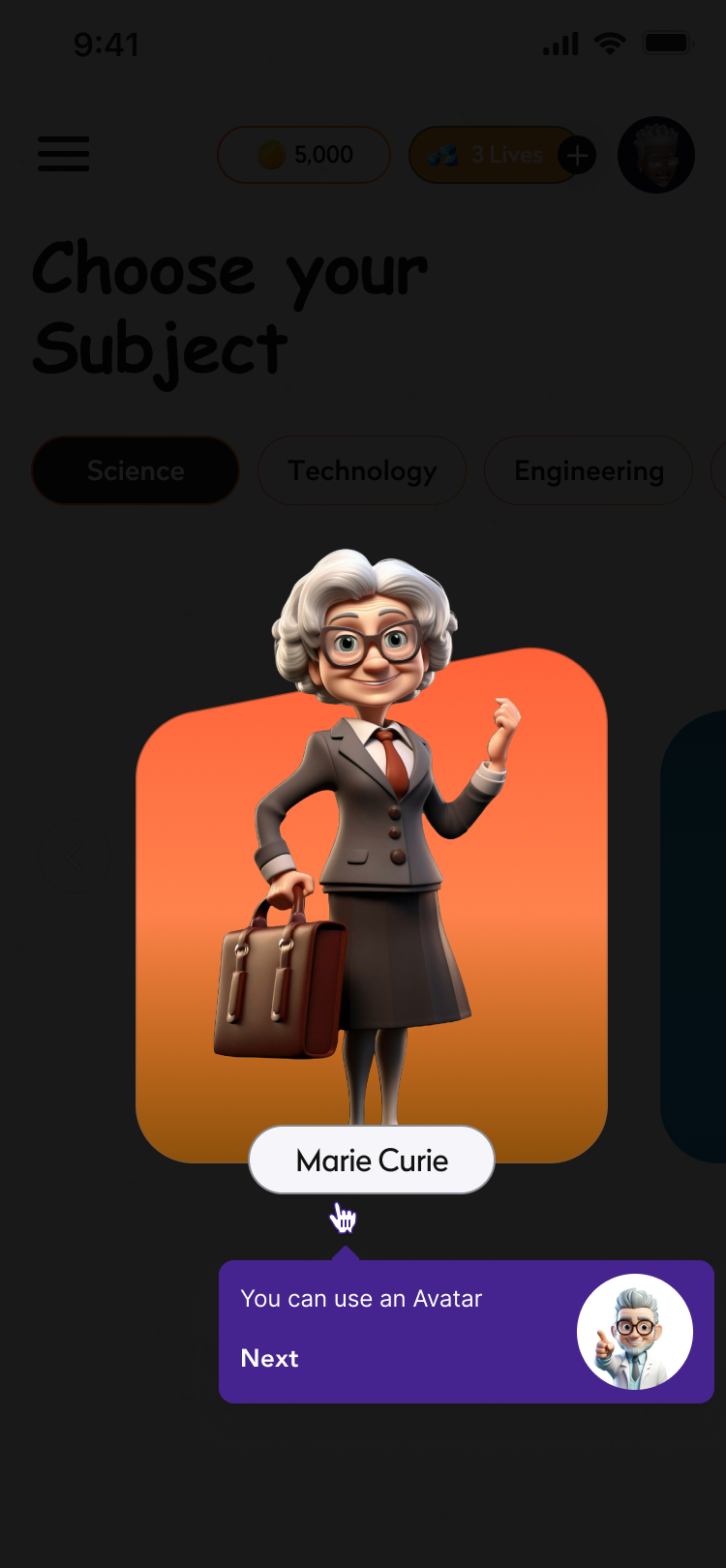
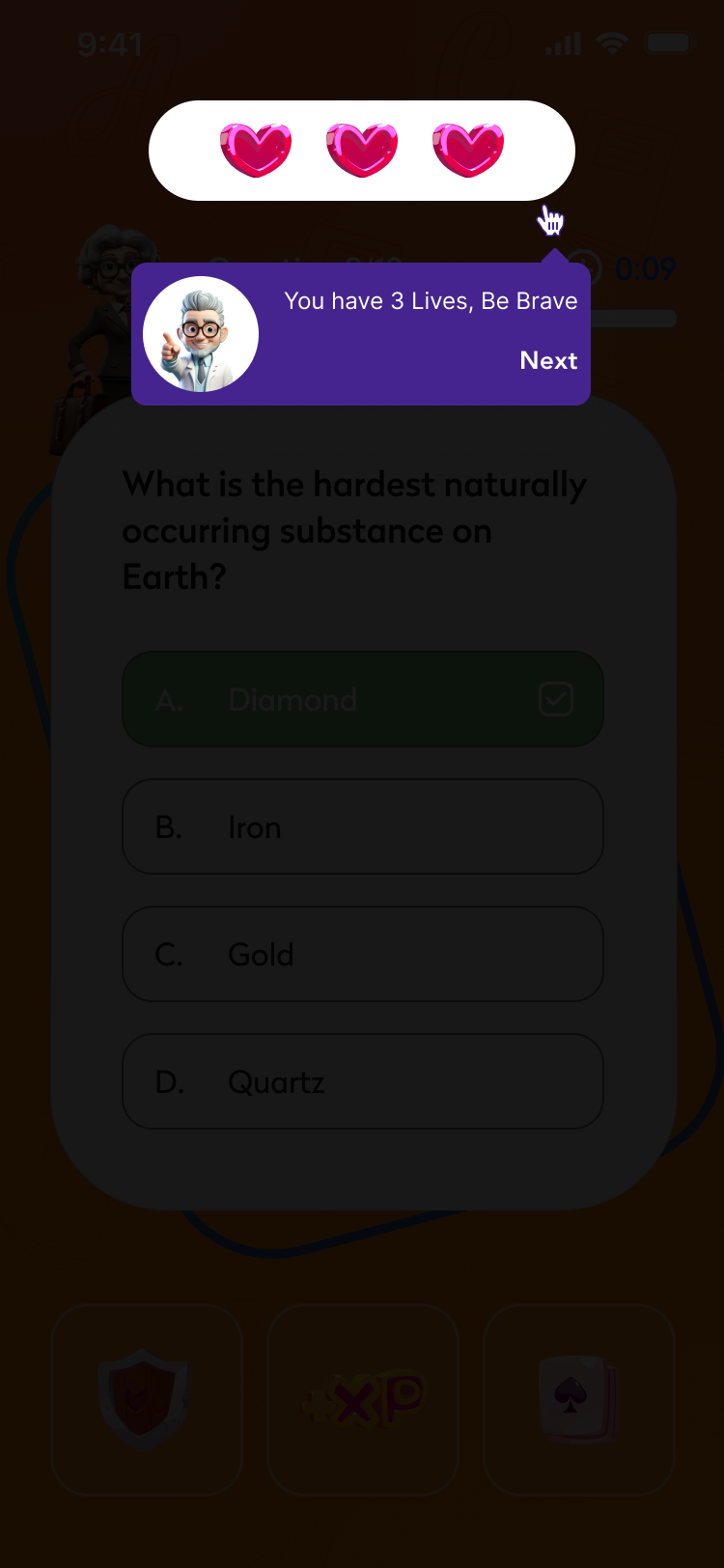
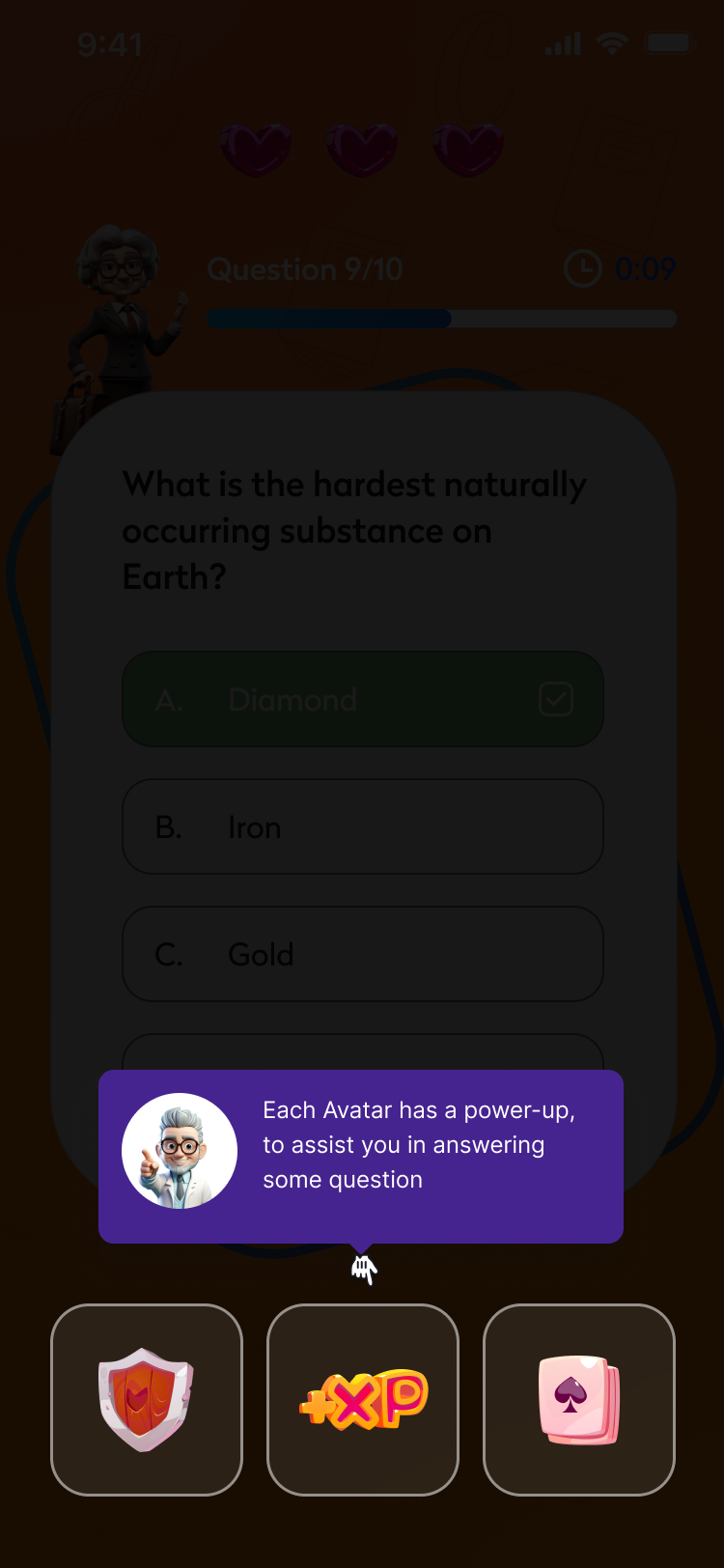
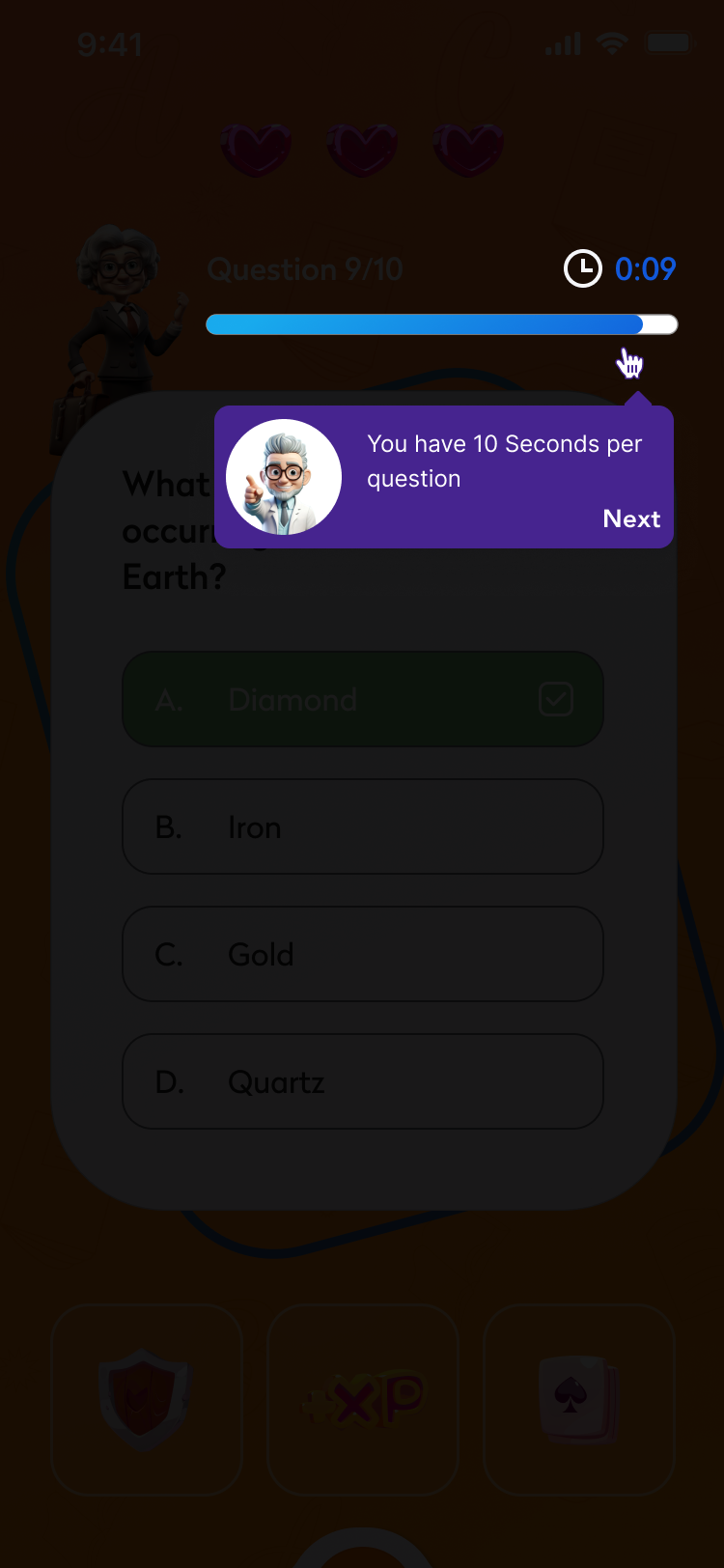
03 · Onboarding Tooltips
Guidance in the moment, not before it.
Eight contextual tooltips — each fires exactly when a player encounters the mechanic for the first time. No tutorial wall, no friction.

04 · Game Flow
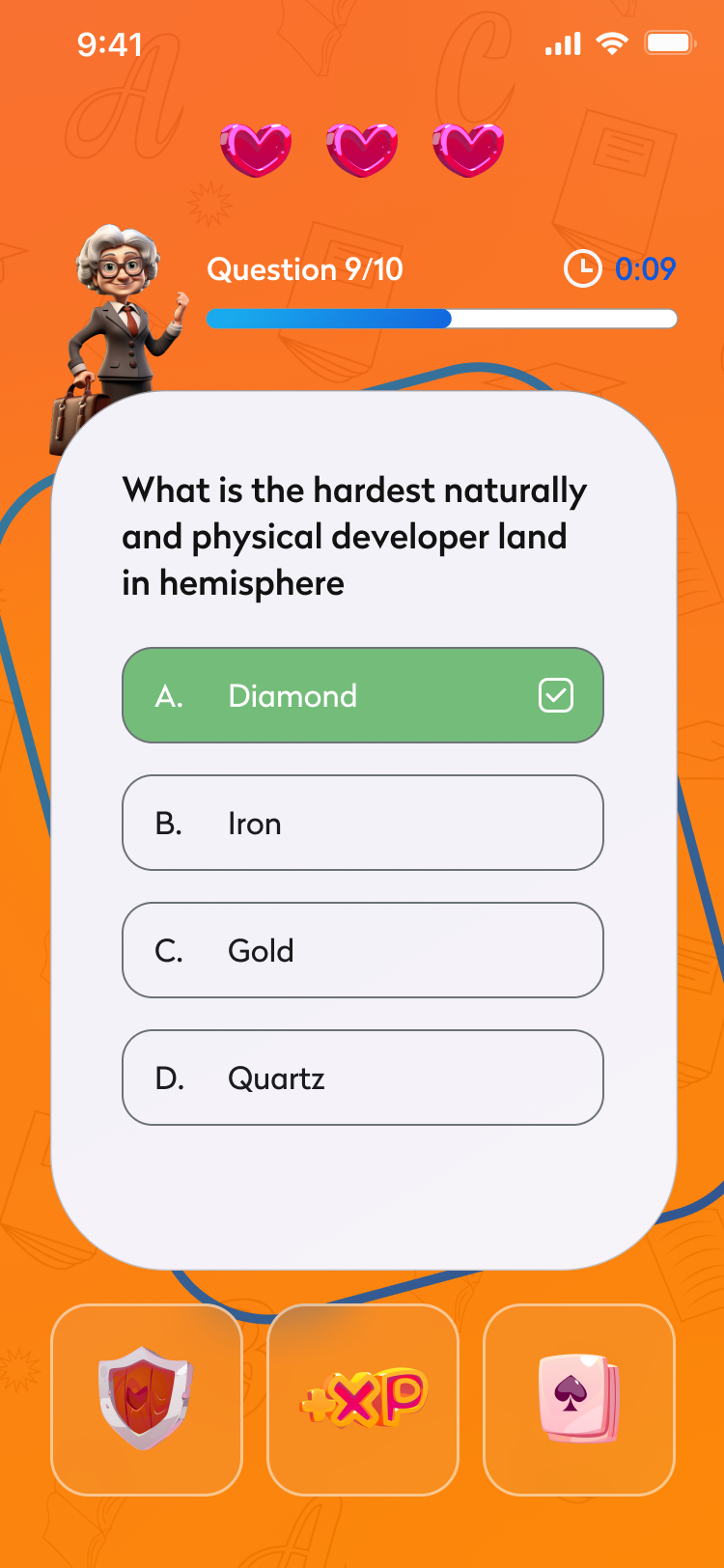
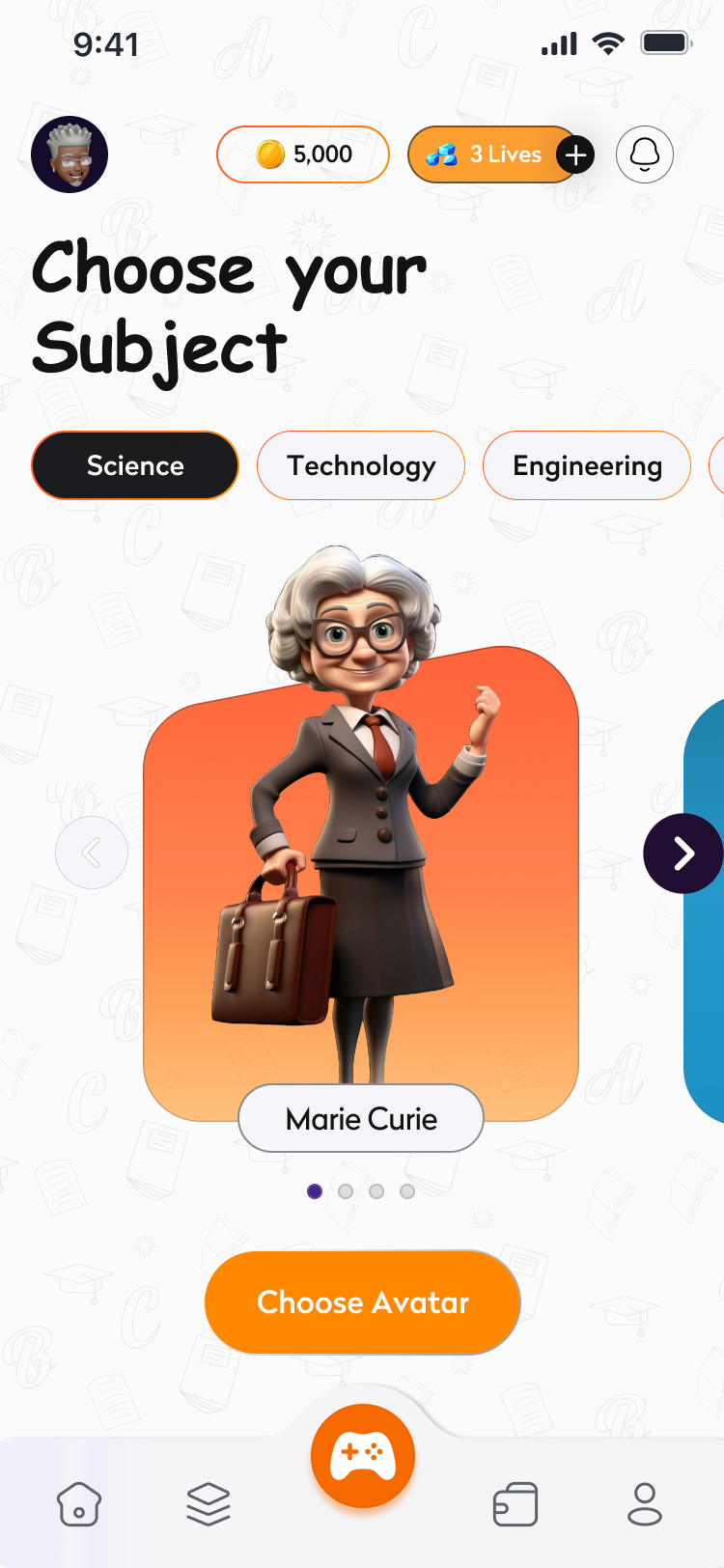
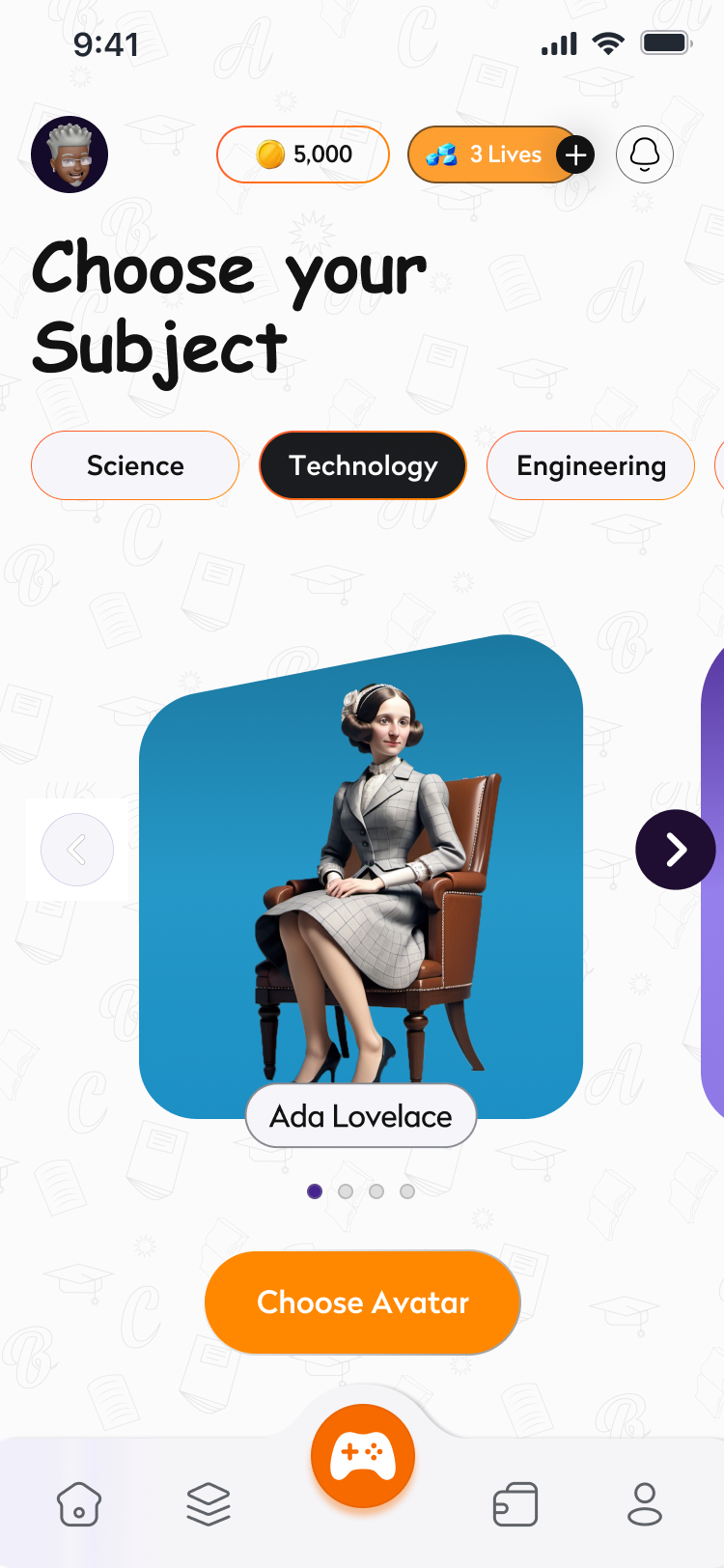
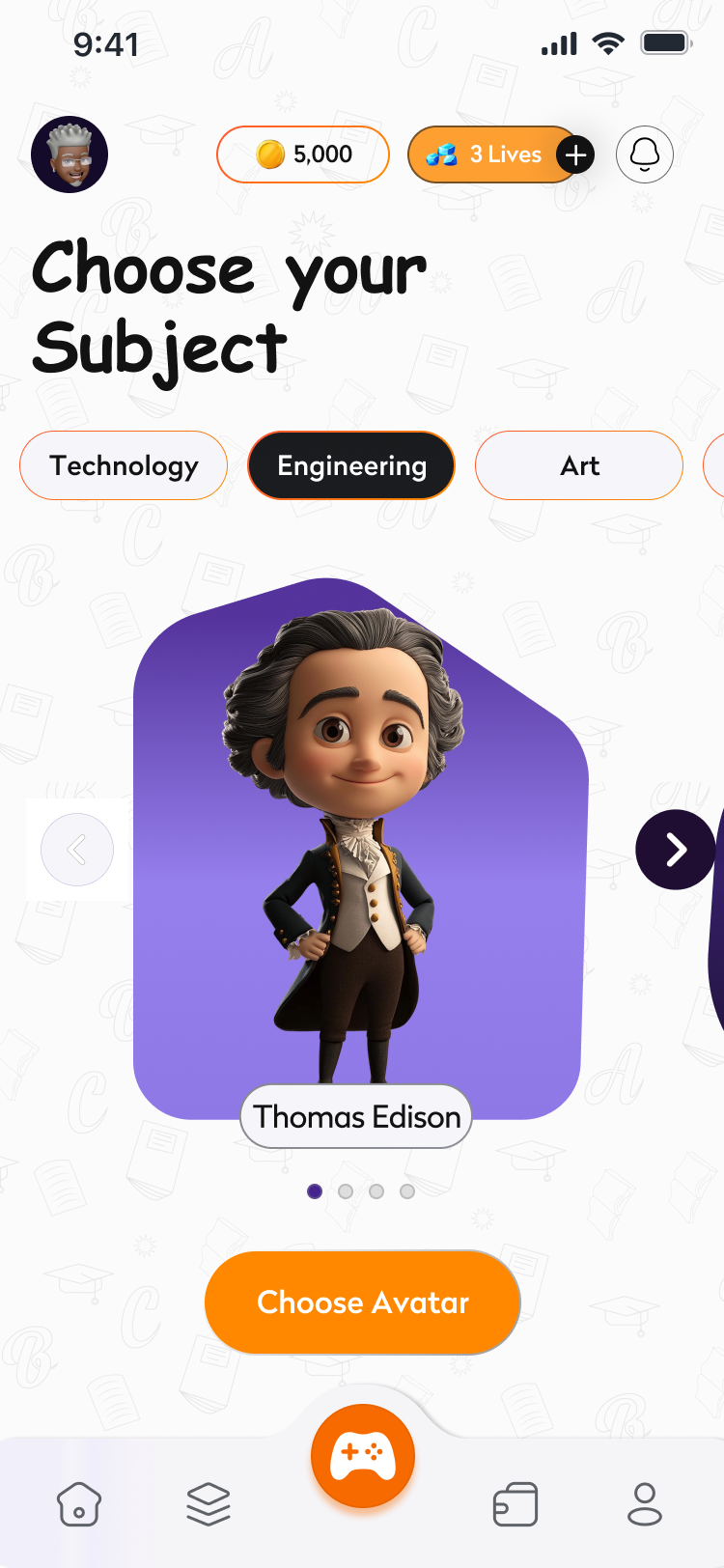
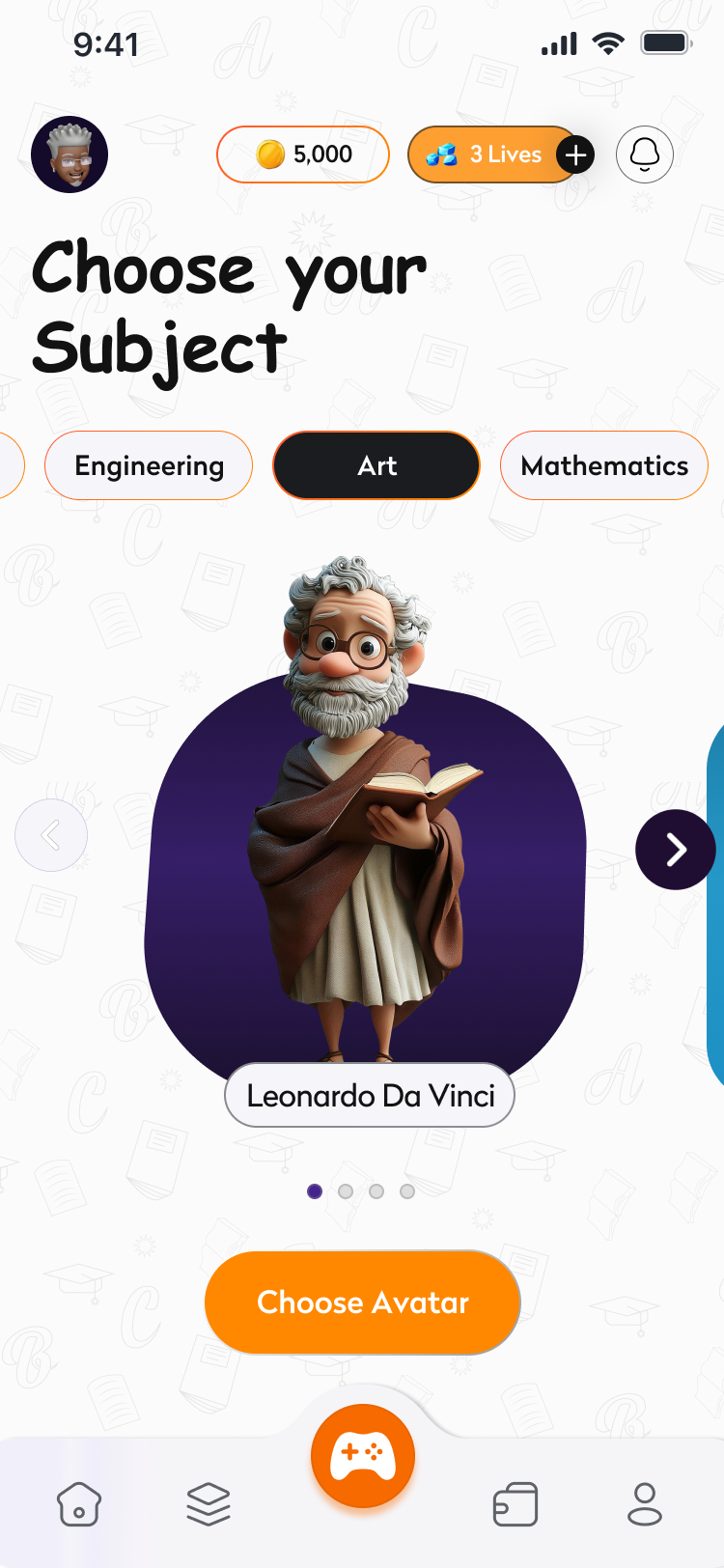
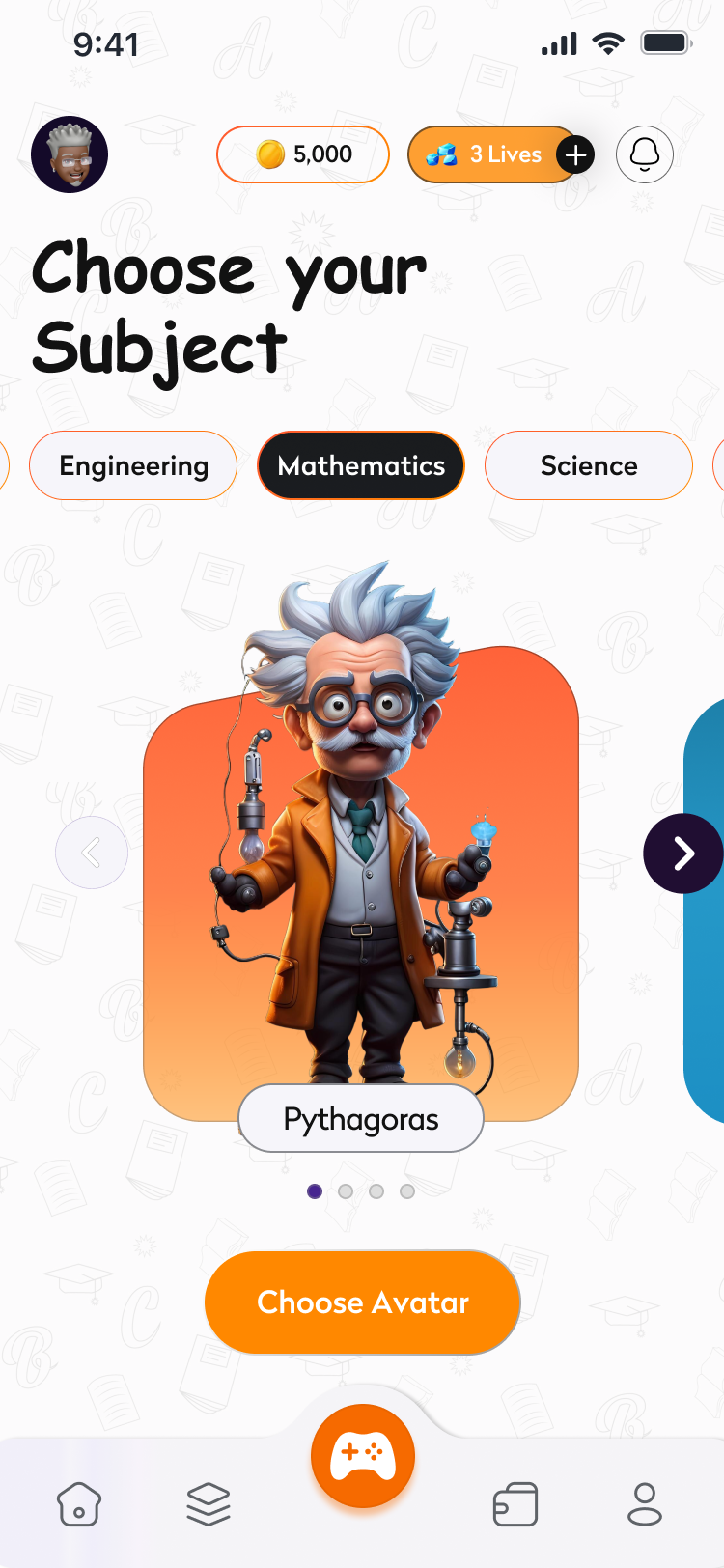
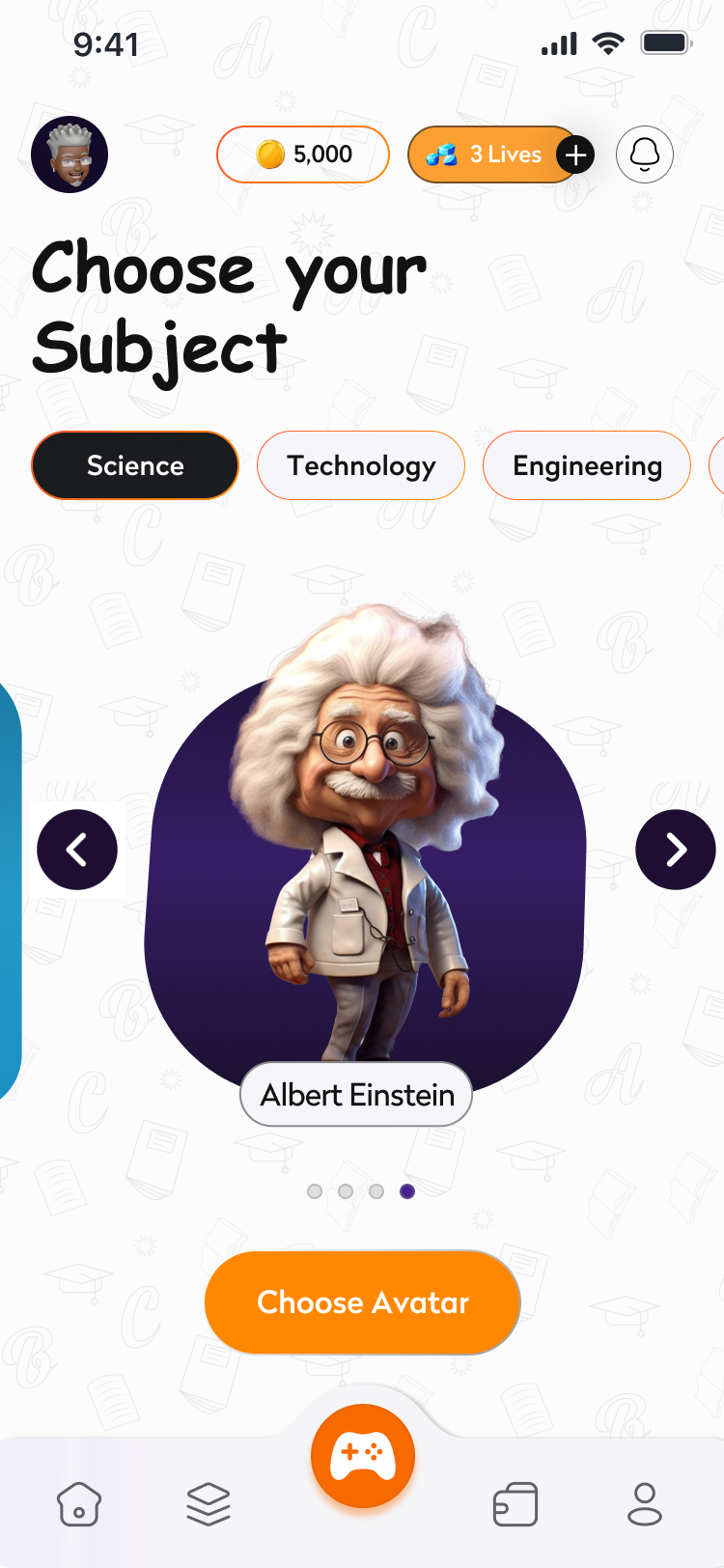
Choose your legend. Own the arena.
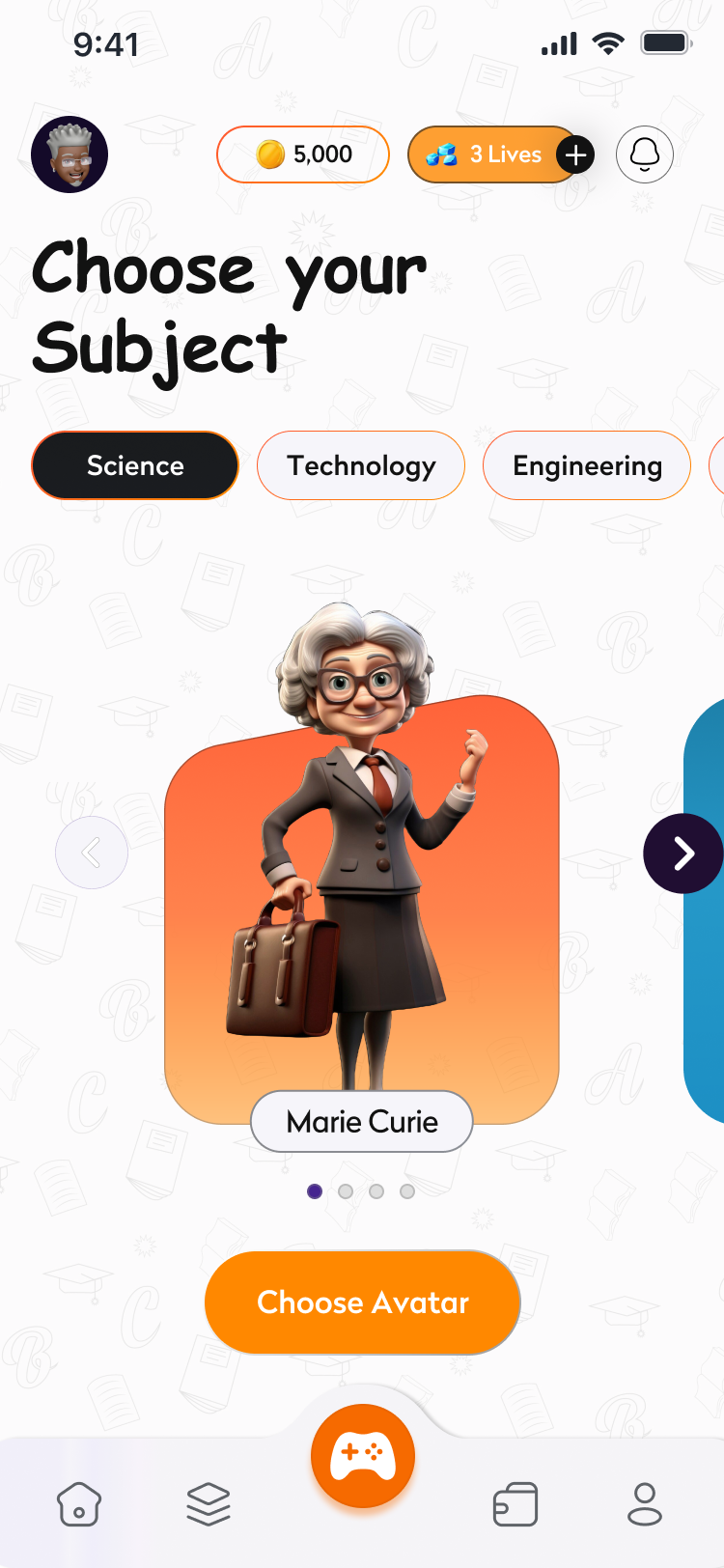
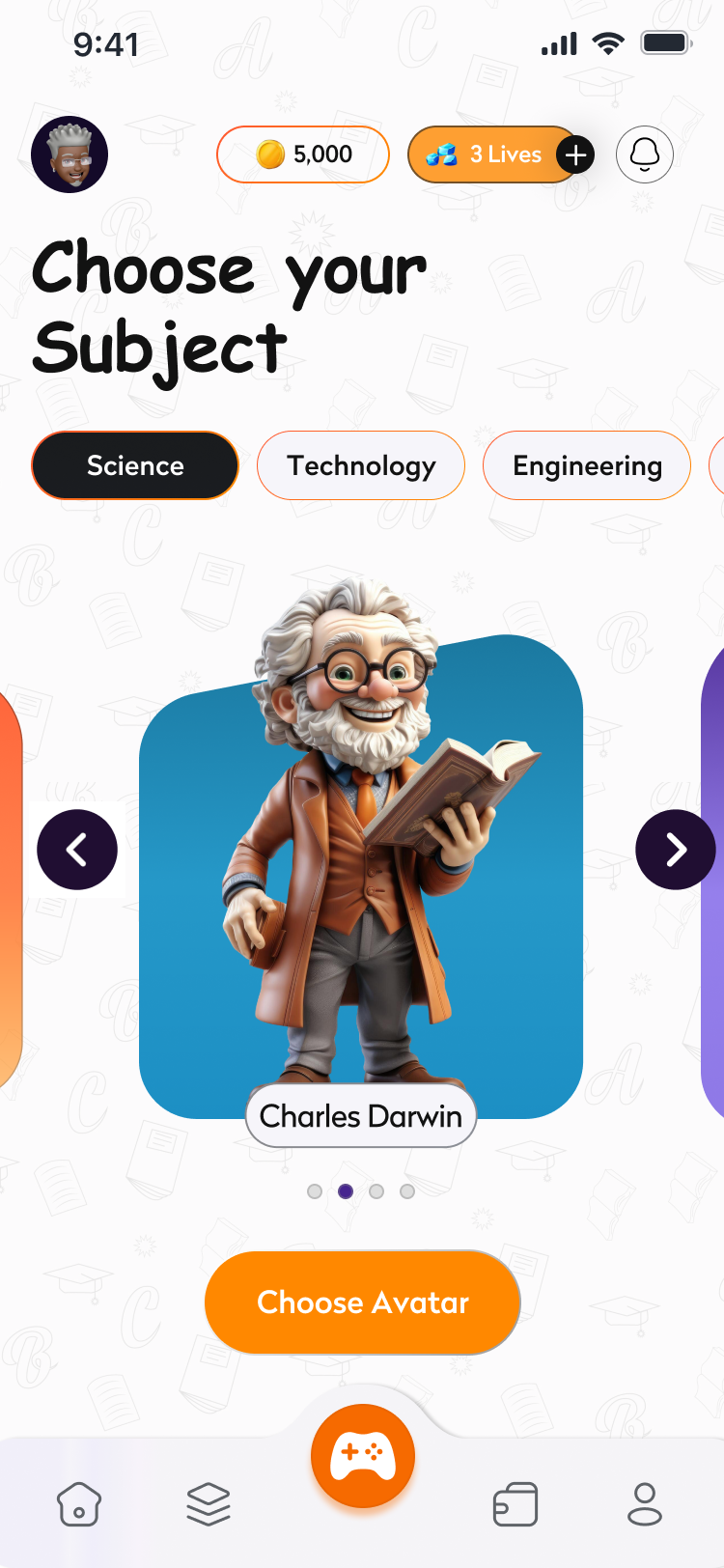
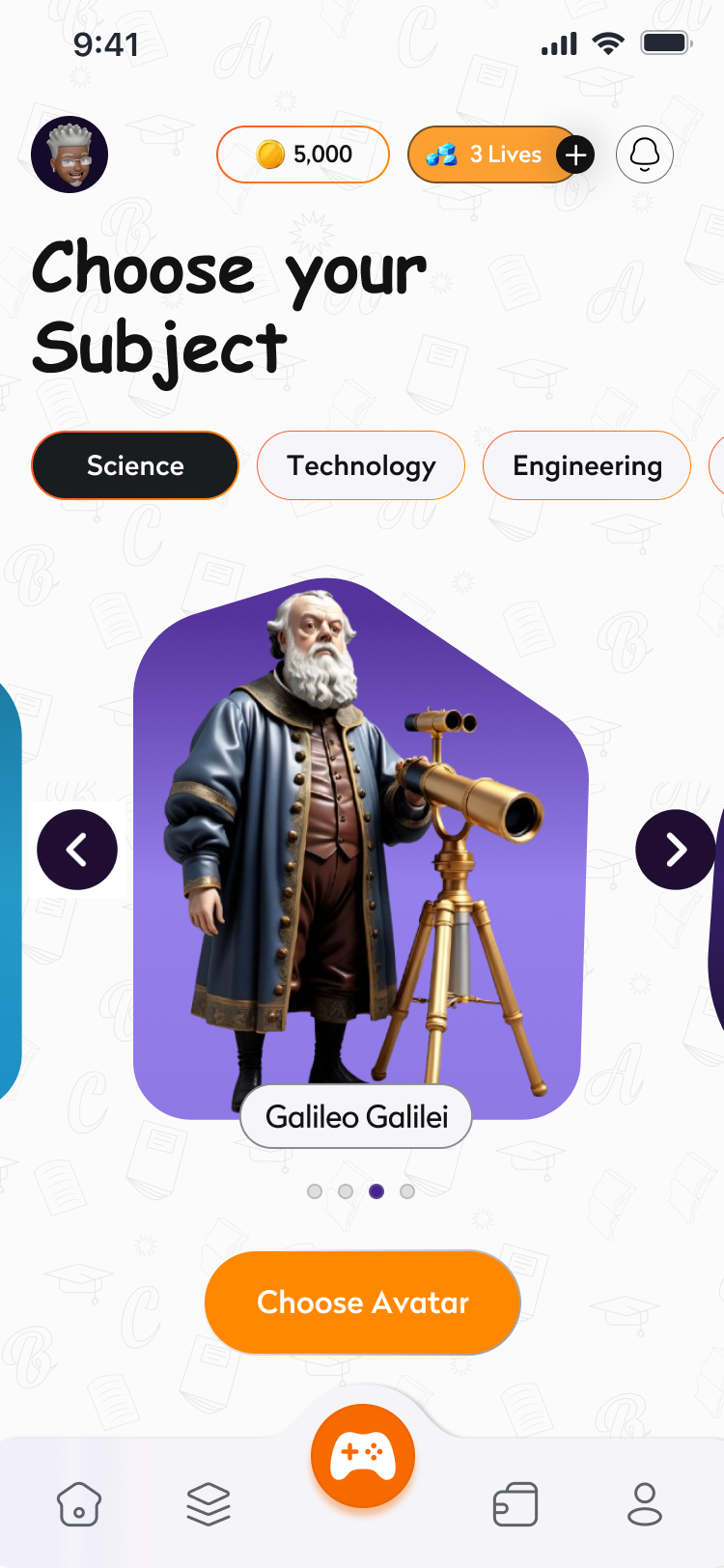
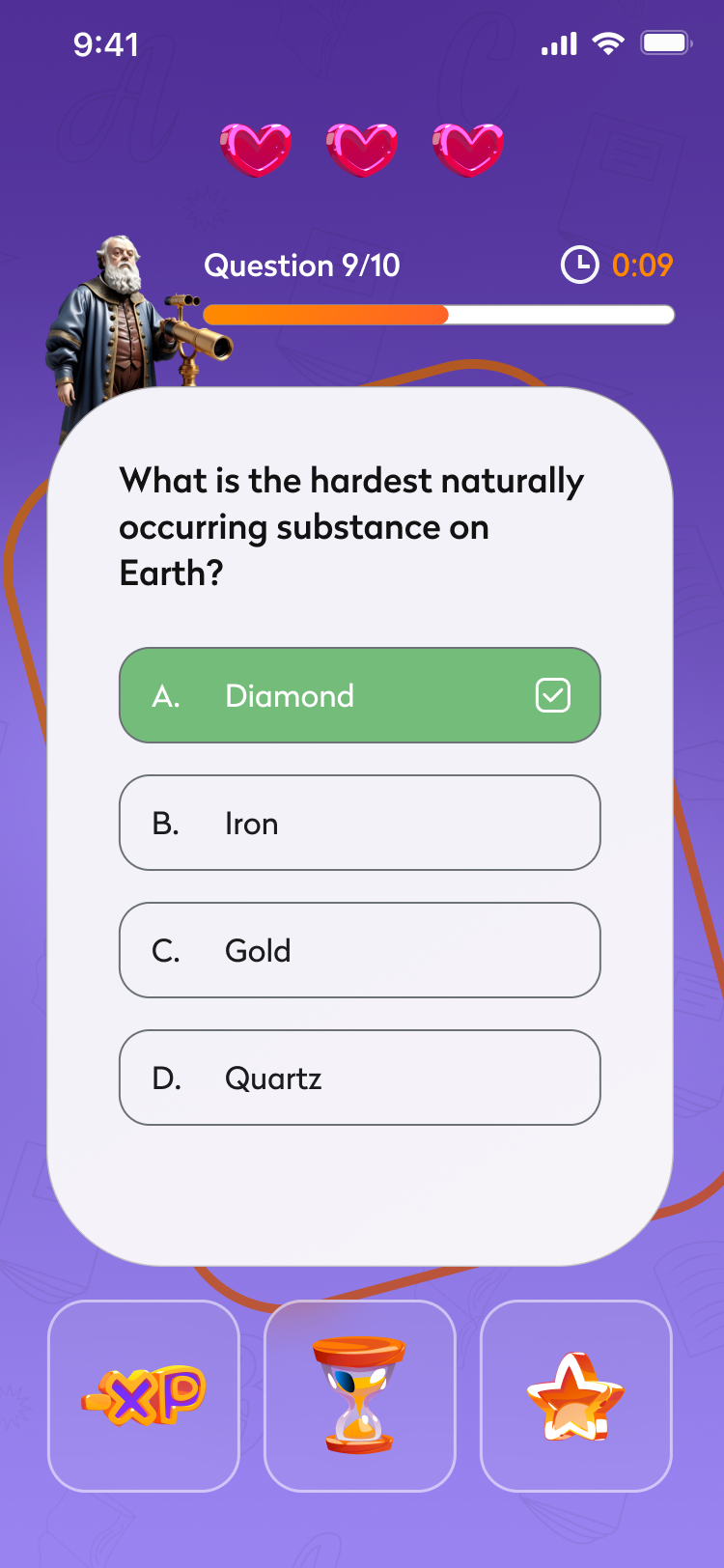
Each scientist avatar unlocks a distinct colour world — the question environment shifts to match their domain. Strategy starts at category selection, not the first question.
05 · Avatars and their Power-ups
Every legend owns their world.
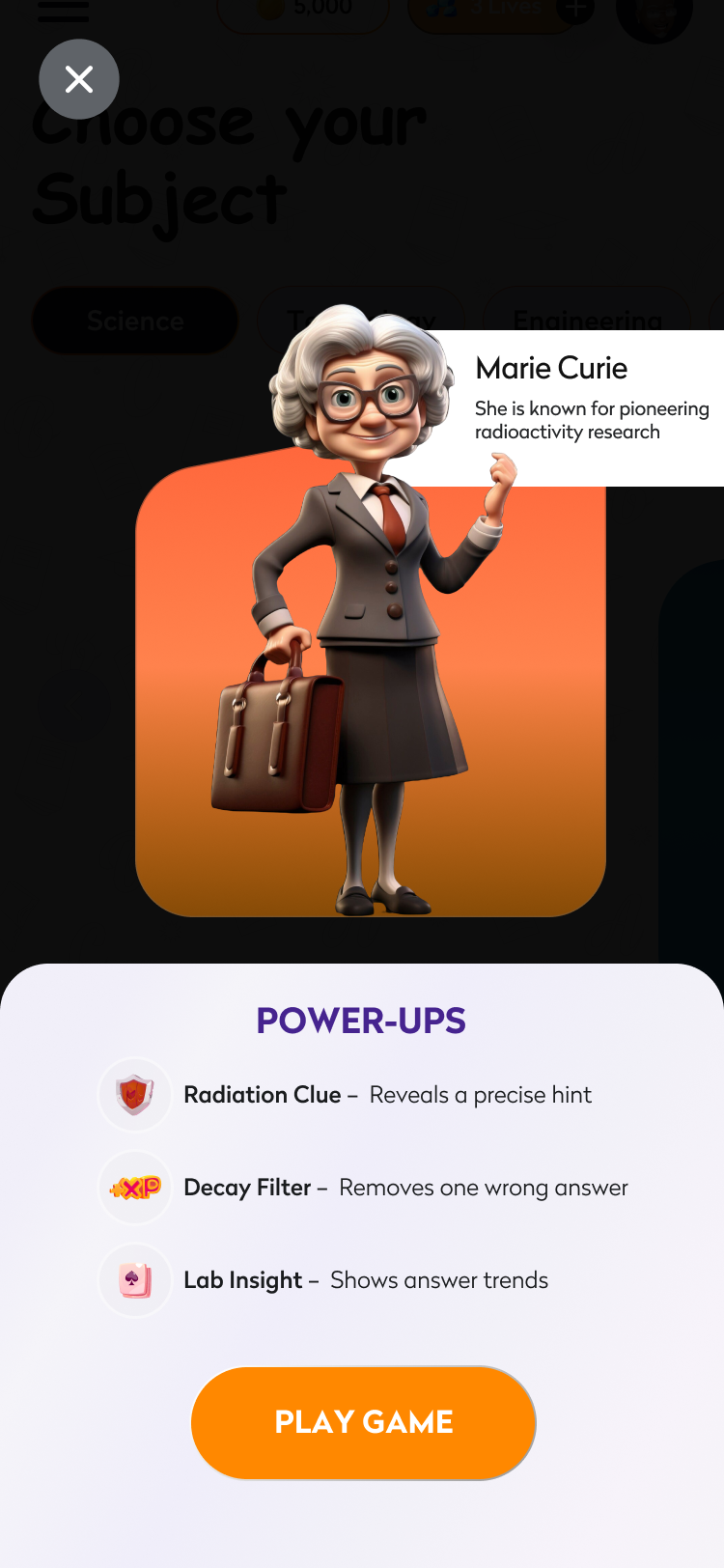
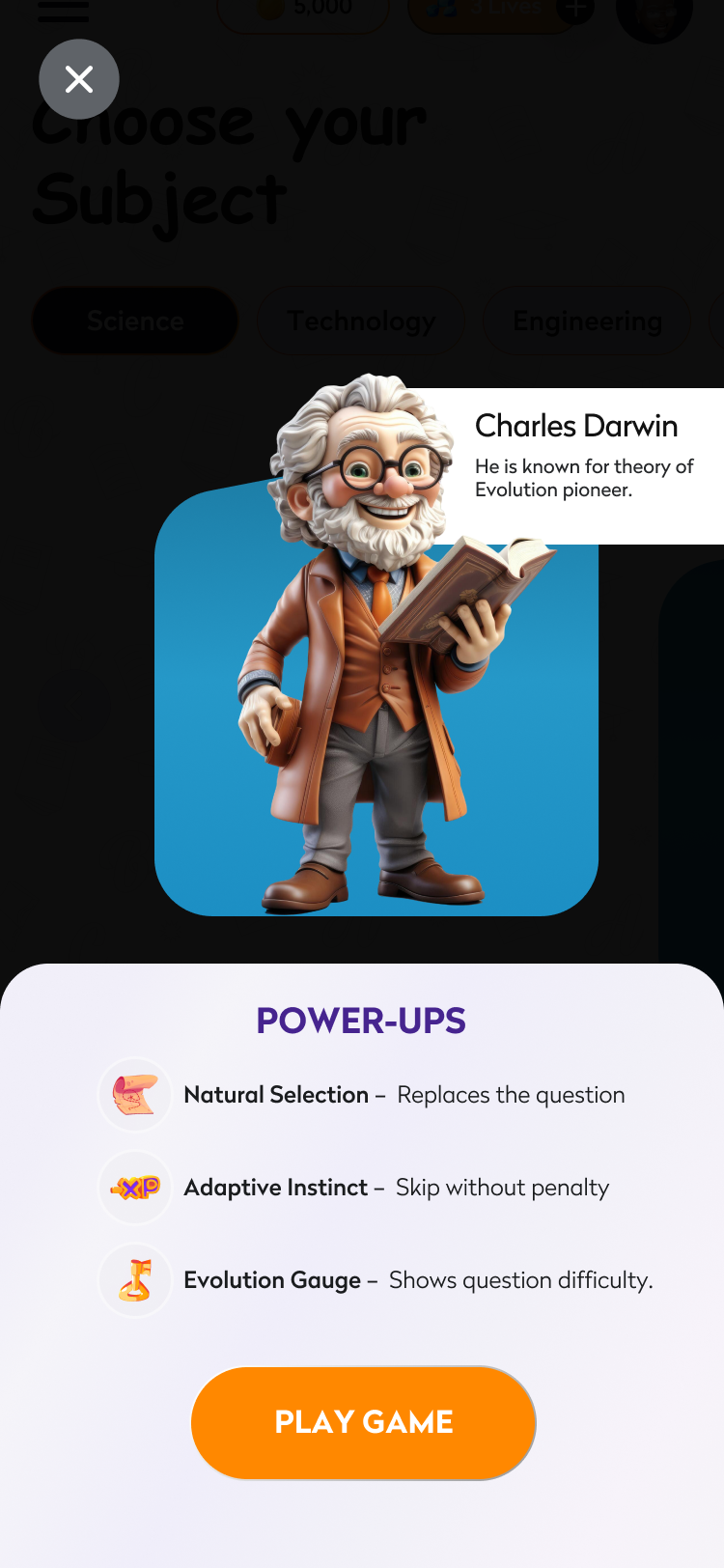
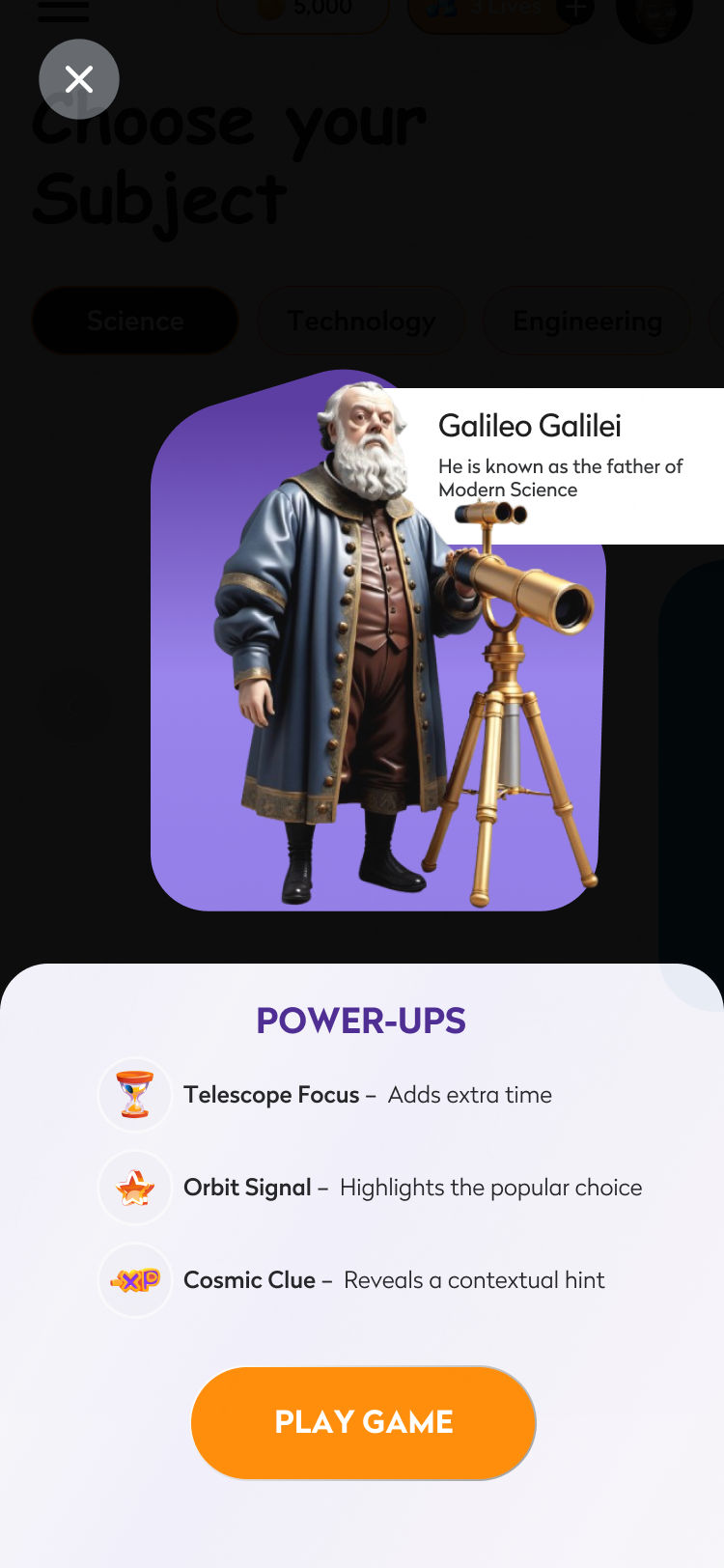
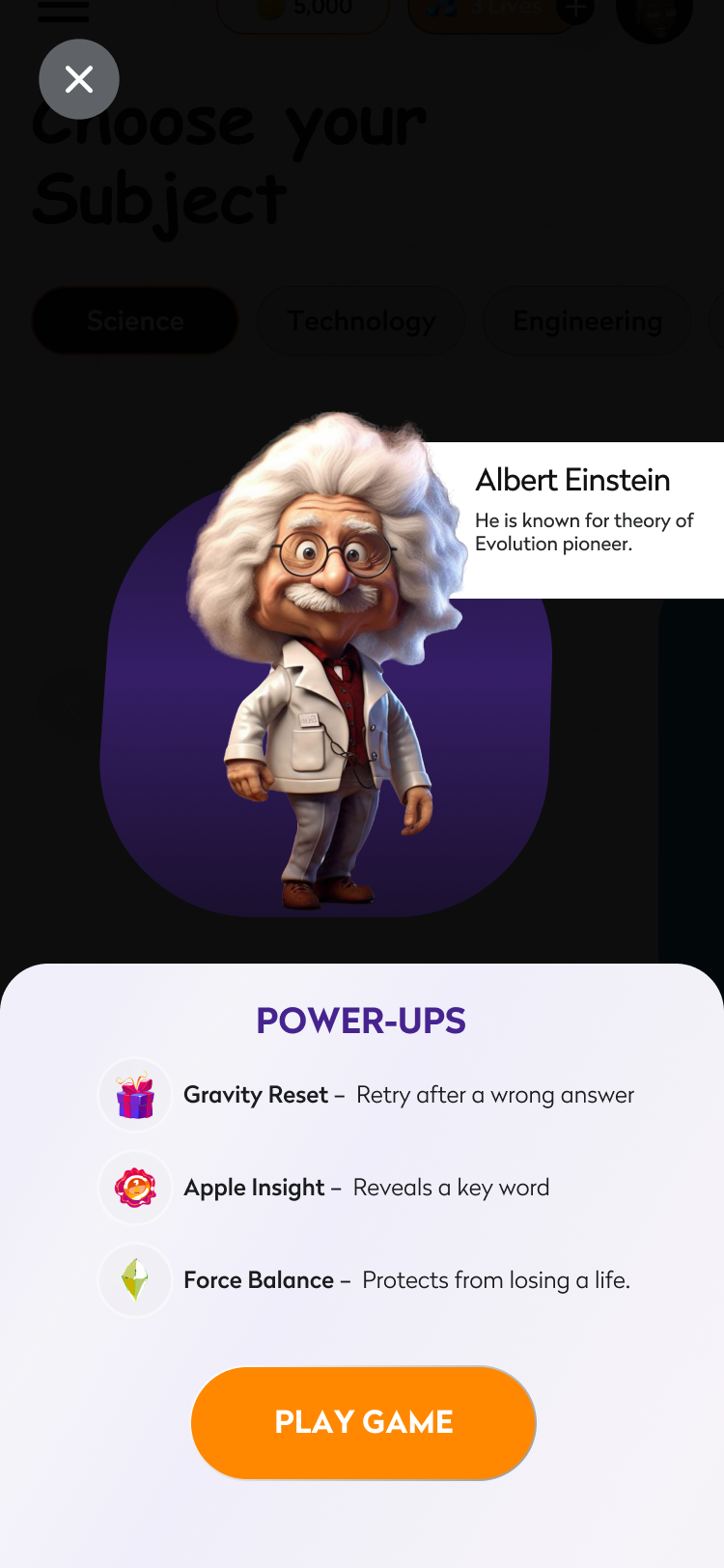
Each avatar ships with a unique colour environment and a locked power-up set. The visual theme isn't cosmetic — it signals the domain, the strategy, and the stakes before a question appears.
Marie Curie · Science
Charles Darwin · Biology
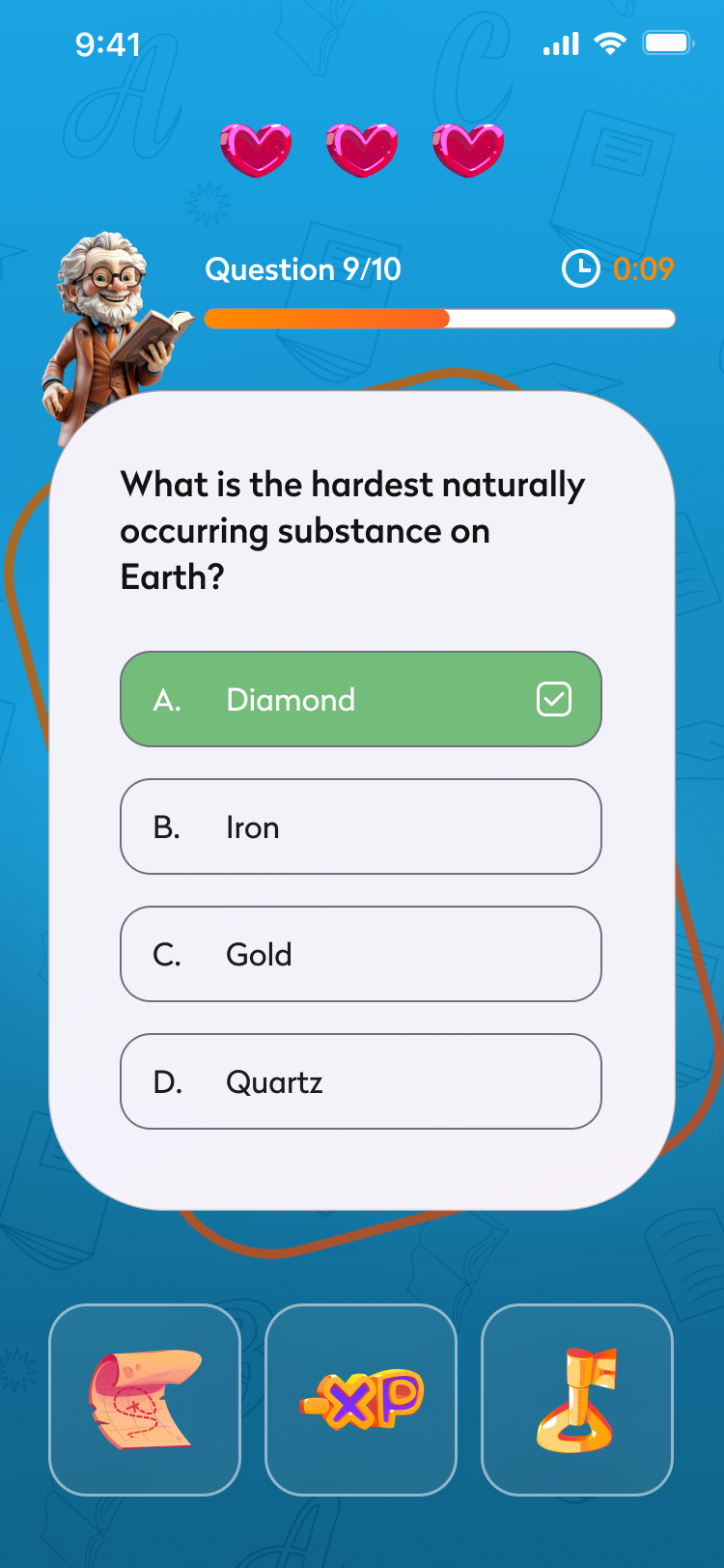
Galileo Galilei · Astronomy
Albert Einstein · Physics
Step into a legend's arena.
Compete for real stakes.
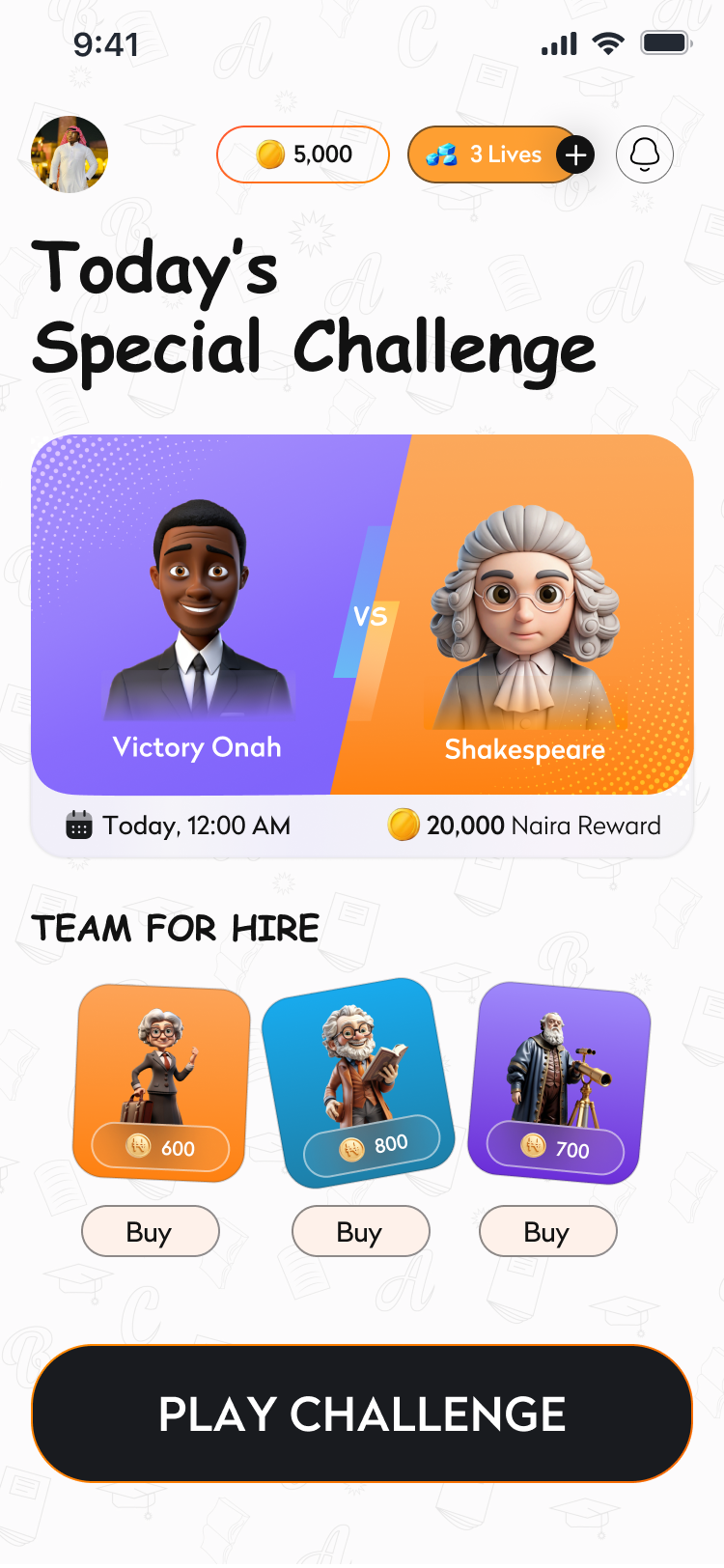
Battle Challenge is EduMillionaire's competitive layer — players embody a scientist, challenge rivals live, and climb rankings for cash prizes.
40 abilities.
One tactical edge each.
Every power-up has a distinct visual identity tied to its mechanic — players read the ability before they tap it. Designed to feel earned, not bought.








































Five flows that
hold the game together.
Each flow was designed to feel inevitable — the next step obvious, the stakes clear, the reward always visible.
First-session activation: Bonus lives at onboarding remove the first-game barrier. Tooltips surface lives, rank, and reward context — the full loop visible before the first question.
Five subjects.
Forty legends.
Each category has its own question pool, avatars, and power-ups. Category selection is the first strategic decision — pick a legend before a single question appears.
Science
Biology, chemistry, physics, and natural world questions.
Legend: Marie Curie, Newton, Darwin & more
Technology
Computing, systems, networks, and digital innovation.
Legend: Alan Turing, Ada Lovelace & more
Engineering
Structures, mechanics, problem-solving, and construction.
Legend: Da Vinci, Tesla, Brunel & more
Arts
Creative thinking, design, culture, and expression.
Legend: Da Vinci, Frida Kahlo & more
Mathematics
Numbers, logic, geometry, and pattern reasoning.
Legend: Pythagoras, Euler, Ramanujan & more
Not just answers.
A battle.
The Battle Challenge is EduMillionaire's signature mode — players step into the identity of a legend and compete in their STEAM domain.
Points accumulate across sessions; weekly rank determines rewards. Stakes are real but shared across all players.
Your legend choice changes your strategic tools, question domain, and session feel. Same STEAM content — now personal. Same stakes, higher intensity.
Every avatar.
Three strategic tools.
Each avatar carries 3 power-ups tied to their STEAM category. They cannot stack and are session-limited — strategy without breaking fairness.
Science
Marie Curie
Technology
Alan Turing
Engineering
Leonardo da Vinci
Pythagoras
Pythagoras
Balancing rules: One avatar per session. 3 fixed power-ups per legend — no stacking, per-session limits. Avatar-gated power-ups prevent runaway advantage and keep category identity meaningful throughout.
Strategy, not personalization: Avatar choice locks your power-up set for the session — a strategic commitment, not cosmetic. The decision happens before play.
A game economy
built on trust.
EduMillionaire handles real money. Every financial action is transparent — explicit pricing, PIN gates, and player-confirmed at every step.
Lives Economy
Lives are the currency of access. Sessions and wrong answers each cost a life. Zero lives blocks play — but always shows a clear recovery path, never a dead end.
Wallet & PIN Security
The wallet handles top-ups and life purchases. A 4-digit PIN protects every financial action — no one-tap spending, no hidden charges.
Leaderboard Rewards
Weekly resets create urgency without permanent hierarchy. Top 10 eligibility is rules-based and transparent — prizes feel achievable to anyone.
Ethical monetization by design: Every financial action is player-initiated — explicit pricing, PIN confirmation, logged history. Trust built into the flow, not dark patterns.
Five decisions behind
a game system.
These weren't feature decisions — they were system decisions. Each one shaped how the whole game loop holds together.
Lives as a gameplay control system
Lives create stakes at session entry, wrong answers, and zero balance. Showing the recovery path alongside the block turns a quiz into a resource management layer — monetization without disrupting learning.
Category selection before gameplay
Category choice upfront gives players agency over their question pool and avatar roster. Committing to an identity before competing increases session investment and first-game completion.
Legend avatars as strategic gameplay tools
Avatars are power-up bundles, not skins. Choosing Marie Curie for Science turns character selection into pre-session strategy — raising the stakes of the choice screen.
Weekly leaderboard for replay motivation
Weekly resets create urgency without permanent hierarchy — players who fall behind get a clean window each cycle, preventing elite lock-out and sustaining weekly engagement.
PIN-gated wallet for trust and safety
PIN confirmation on every transaction isn't friction — it's trust. Players must feel the game won't accidentally spend their balance; that trust is what supports willingness to fund the wallet.
What designing a
game system teaches.
Game UX needs clear rules, not just fun visuals. Visual energy only works when the mechanics underneath are legible — design the system first and the screens feel inevitable, not decorative.
Learning works better when it feels active. The avatar system made category knowledge feel personally held — players play as a scientist, not just answer about one.
Reward systems must balance motivation and fairness. Weekly resets and transparent eligibility rules are product decisions — fairness built into the UX keeps reward seekers returning.
Monetization must be transparent. Visible balances, PIN gates, and explicit pricing are the difference between a game that feels safe and one that feels extractive.
Interested in how I approach product work?
Book a 20-min intro call, or send the role details by email.