Turning Early Ideas Into Clearer, Testable Venture Concepts.
As Director of Innovation at PSIFON, I guided founders through critical thinking, market research, business modelling and early product definition — helping them move from loosely formed ideas toward structured venture opportunities.
Helping ideas earn the right to become ventures.
My responsibility was to listen to early-stage ideas, challenge assumptions, and help founders clarify the problem, target user and market need — then shape a business model and recommend whether a concept should proceed, pivot or stop. As Director of Innovation, I maintained the decision standard across these engagements — ensuring enthusiasm did not replace evidence and that different sectors were evaluated through a consistent innovation process.
Innovation leadership was not about approving every idea. It was about helping people discover whether an idea deserved to become a venture.
An innovation hub in Calabar.
PSIFON — Project Stimulus: Innovators/Inventors Forum of Nigeria — is a Calabar-based social enterprise supporting technology, incubation, IT training and digital-economy participation. PSIFON operated alongside a Cross River State youth-empowerment initiative connected to technology and innovation.
This relationship was operational, not a formally announced public partnership. This case study covers my advisory work, not PSIFON's institutional history.
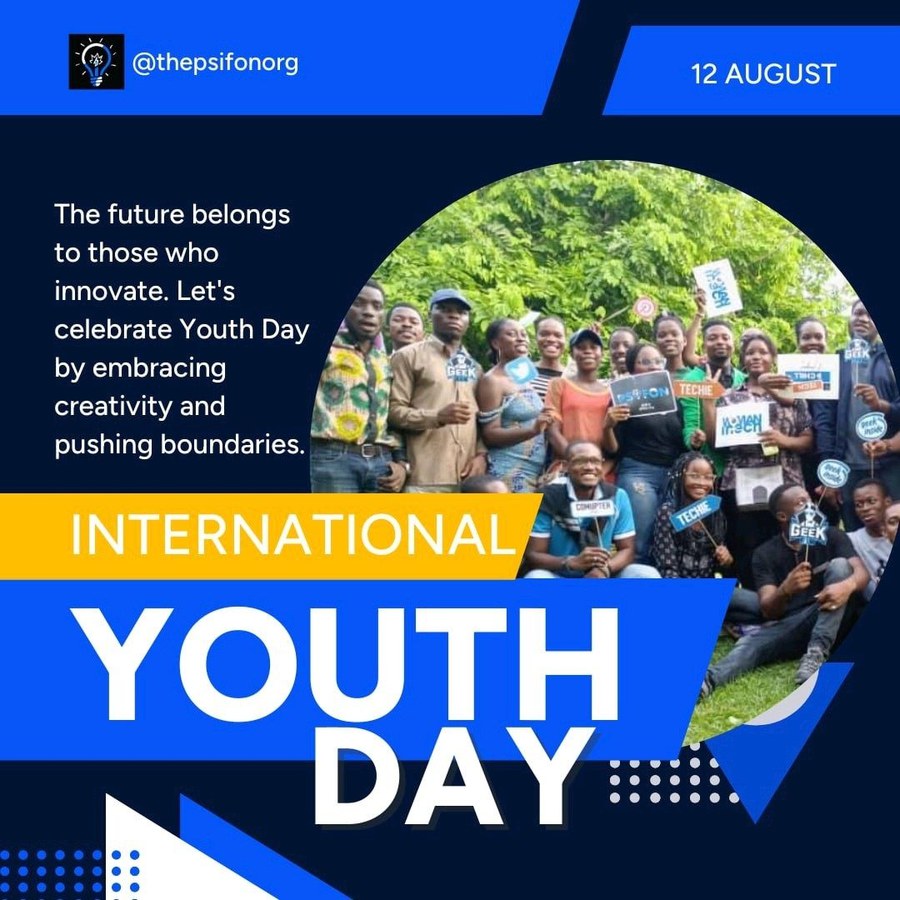
Three ways founders reached the hub.
Participants arrived through applications, walk-ins and scheduled consultations. No verified participant count is available.
Application
Submitted an idea or plan for review.
Walk-In Consultation
Entrepreneurs arrived directly with a concept.
Scheduled Advisory Session
Booked dedicated time for deeper review.
Ideas arrived from every sector.
Concepts came from technology, healthcare, agriculture, manufacturing, food and small business — each needing a different lens.
From raw idea to a tested concept.
This was iterative — research could send a concept back into ideation rather than push it forward.
How concepts were evaluated.
This framework reconstructs the principles used during consultations, not proprietary PSIFON documentation.
How the advisory work actually happened.
The Work in PracticeInnovation happened through conversation, challenge and collaboration.
PSIFON created a shared environment where founders and professionals examined ideas and strengthened their thinking through practical discussion.
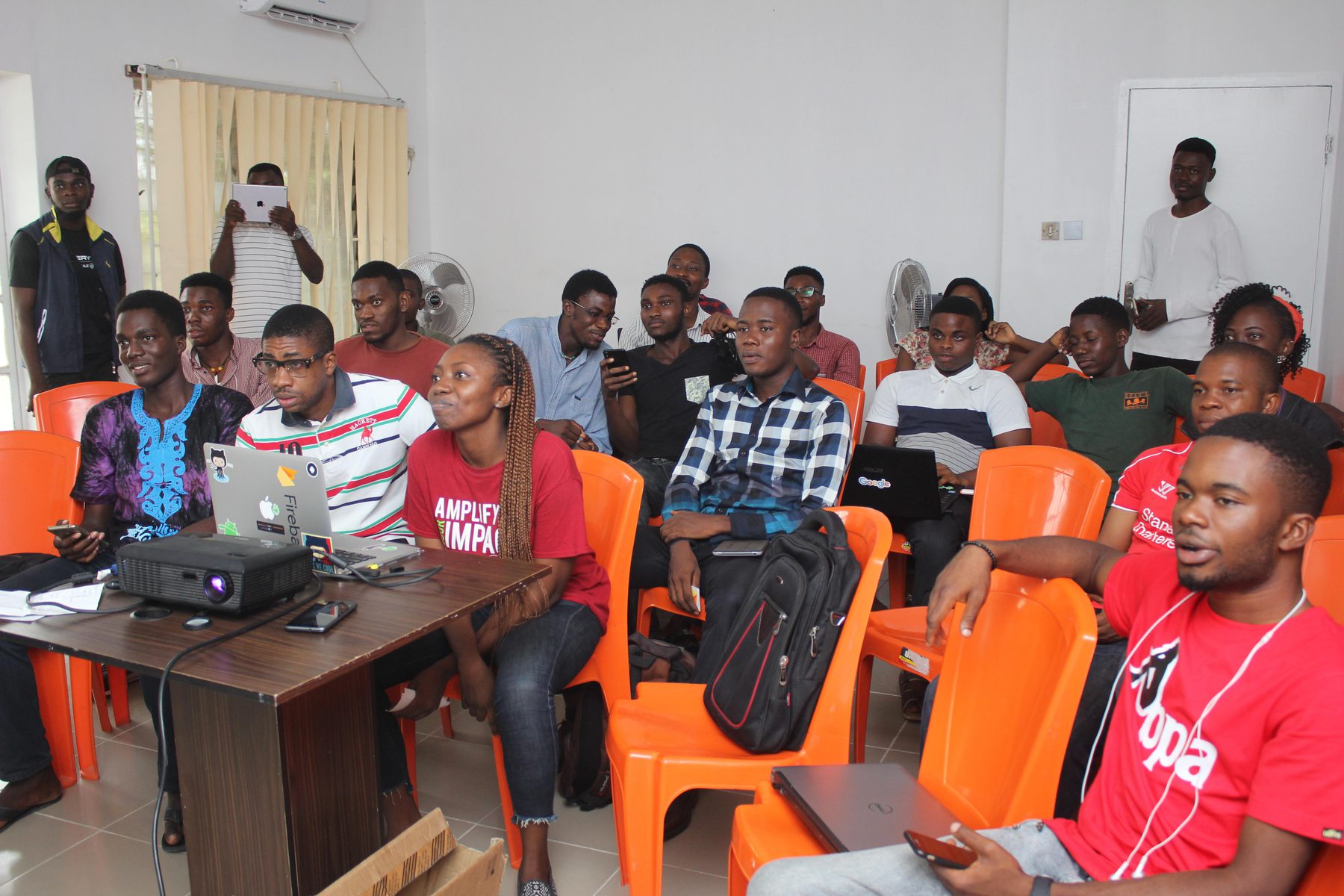
How innovation work moved across the hub.
My role extended beyond individual conversations, connecting research, design, marketing and technical perspectives into one evaluation.
These were collaborative contributions across the hub, not a formal reporting hierarchy.
Managing an idea portfolio, not a single product.
Concepts arrived from different sectors and maturity levels. Director-level judgment meant deciding where attention was most useful.
What a consultation could produce.
Outputs varied with each concept's maturity.
Blood Donation Alert Concept.
I originated this concept alongside the wider advisory work. In a blood emergency, locating an eligible donor quickly can become a fragmented chain of calls, personal contacts and public appeals. The intent: connect urgent blood requests with eligible nearby donors.
Doctors, hospitals, blood banks and potential users were consulted; the concept reached MVP stage but did not launch publicly. My role was concept ownership and product direction.
Original working artefacts from the 2021 engagement are no longer available. The process and MVP flow shown here reconstruct the documented scope from my direct involvement and retained project knowledge.
Intended MVP flow.
Presented as an intended MVP flow, not a deployed capability.
What the concept defined.
Safety and ethics considered.
Medical eligibility cannot be determined by the app alone
Hospitals or blood banks must validate donors
Health information requires strong privacy safeguards
False or fraudulent requests require verification
Notifications must avoid exposing patient identity
Location data must be handled carefully
Emergency messaging must not create panic
The app must not replace clinical screening
The hardest barrier wasn't technical.
Consultations with potential users revealed significant social and cultural resistance to blood donation. Some potential users associated blood donation with spiritual, cultural or personal risk.
Research exposed an adoption barrier that product functionality alone could not solve: trust in blood donation varied significantly across the community.
Choosing not to force a launch.
The responsible decision was not to force a launch. Without stronger trust, education, institutional participation and community readiness, even a technically plausible MVP concept would struggle to create safe, repeatable donor participation. Not a failure — a validated reason not to continue.
What I owned, and what I did not.
What I owned
Innovation consultations
Critical questioning
Research direction
Market analysis
Ideation workshops
Business-model guidance
Product-concept definition
Founder recommendations
Blood-donation concept origination
Blood MVP product direction
Evaluation records and handover
Cross-functional coordination
Portfolio-level concept review
Recommendation standards
Escalation to specialist input
What I did not own
Every founder's original idea
Founder execution after consultation
Government programme administration
Technical implementation
Venture funding decisions
Clinical approval
Commercial launch of the blood concept
Long-term operation of participant businesses
Measuring process and decision quality.
Verified aggregate outcome counts are unavailable, so this case study focuses on process and decision quality over numerical impact.
Structured Guidance
Founders received structured guidance.
Earlier Challenge
Concepts were challenged before costly execution.
Clearer Direction
Participants left with clearer direction.
Research-Led Process
Research became part of concept development.
Continued Activity
Some participants continued developing their ventures; verified aggregate progression data is unavailable.
Responsible Redirection
Weak assumptions were refined, redirected or stopped.
Retained Continuity
Evaluation materials were retained.
Adoption Insight
The blood MVP produced a key insight pre-launch.
What was handed over.
The handover preserved individual concept context and the reasoning used across the portfolio, though not every document remains available.
Evaluation Records
Founder and concept assessments retained.
Concept Notes
Ideation and research notes.
Business Models
Working models developed with founders.
Product Recommendations
Direction notes for active concepts.
Research Findings
Market and field research from sessions.
Prototype Directions
MVP direction notes for the blood concept.
Innovation sometimes means knowing what not to launch.
My time at PSIFON reinforced a lesson I carry into product leadership: an idea isn't validated by excitement or technical possibility — only when problem, market, operating model and human readiness align.
Discuss an innovation or product leadership role?
Book a 20-min intro call, or send the role details by email.