Taking a Local-Service Marketplace From Concept to Two Mobile Releases.
As Product Manager for FixMe, I translated a founder's location-based marketplace concept into a shipped mobile product — researching households and providers, defining two release stages, coordinating design and engineering, and launching on iOS and Android.
What FixMe looks like, five years on.
These screens show the current FixMe experience. The product has continued evolving since my Jul 2020 – Feb 2021 engagement.


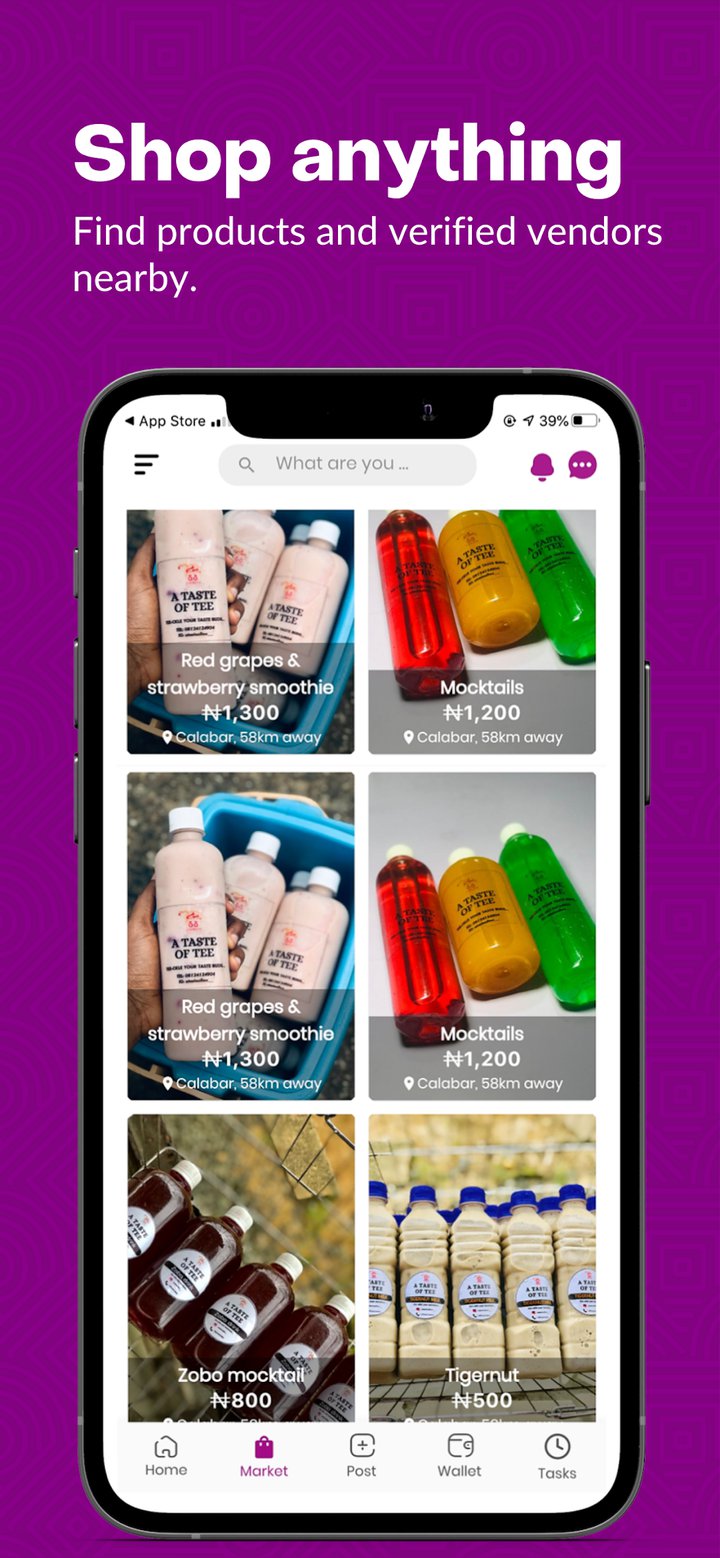
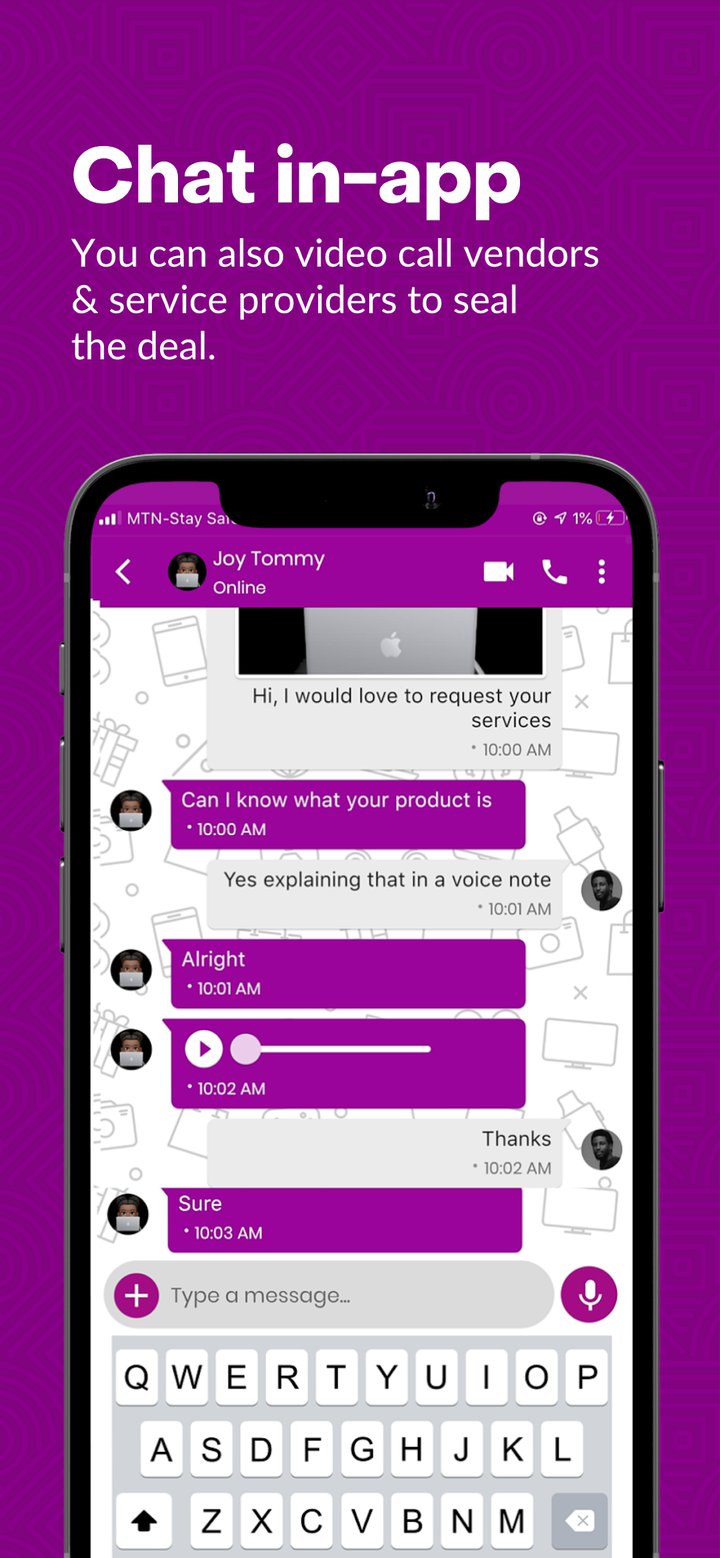
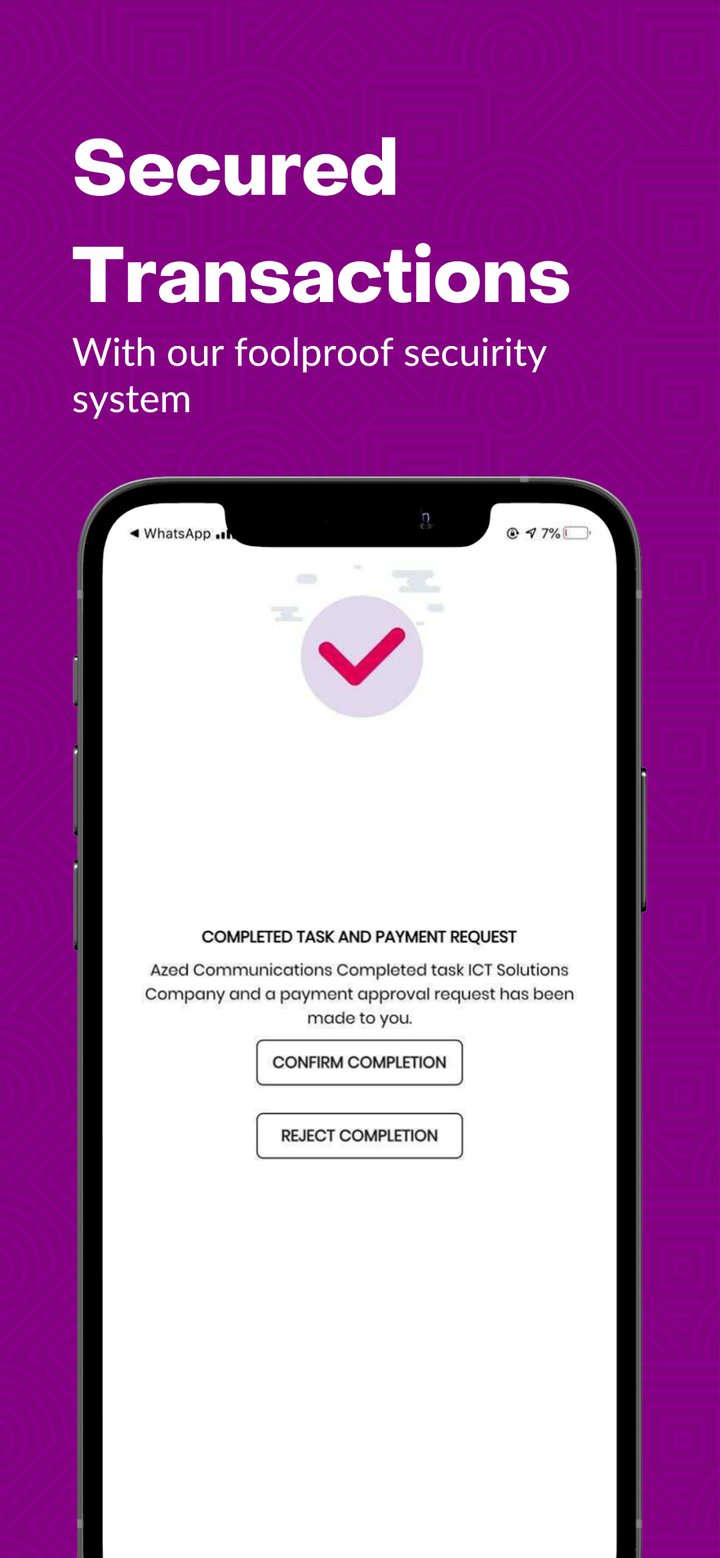
Current FixMe product experience. The platform has evolved since my 2020–2021 tenure — these screens are evidence the product remained active, not a record of every feature I personally built.
Moving somewhere new often meant losing your trusted local network.
People moving into a new estate, neighbourhood, city or region often didn't know which artisan to call, which nearby vendor to trust, whether a provider was legitimate, how to compare available services, or how to resolve poor service. Discovery depended heavily on word of mouth, neighbours and informal referrals — useful, but slow and inconsistent once you left your existing network behind.
FixMe aimed to make nearby providers discoverable through a mobile marketplace, replacing scattered referrals with a searchable, location-aware directory of people who could actually help.
Designed for both sides to win.
A marketplace only works if it solves a real problem for the people supplying services, not just the people requesting them. Every product decision had to account for both sides.
Discover nearby artisans and vendors, find services after relocating, view provider information, request or hire services, reduce dependence on informal referrals, and report unreliable experiences.
Become discoverable locally, receive service requests, reach customers moving into new areas, build reputation and visibility, and participate in a structured marketplace.
Researching the problem from both sides.
Research explored how households found providers, difficulties faced after moving, trust and safety concerns, artisan discoverability, vendor onboarding barriers, customer expectations, and willingness to use a digital marketplace.
Original 2020–2021 research artefacts are no longer available. This section reconstructs the reported participant scope and product decisions from my direct involvement and retained project knowledge.
Turning a founder's concept into an executable product.
I joined before development began — FixMe existed as a founder-created concept, not a completed product. I didn't originate the idea; the founder/CEO conceived it and hired me to manage its development into a shipped release. My job was to turn that concept into something a small team could actually build, test and ship.
The hardest decision was deciding what not to launch at once.
Launching the entire marketplace vision simultaneously would have increased scope, risk and delivery complexity. Splitting the roadmap into two releases let us prove the core behaviour before expanding it.
Artisan discovery and service access
Test whether customers would use a mobile product to locate nearby artisans.
- Account creation
- Artisan discovery
- Service categories
- Provider information
- Basic location relevance
- Initial service-request journey
- Early provider onboarding
- Basic trust and reporting
More supply, more coverage, more regions
Broaden supply and improve usefulness across more categories and locations.
- Expanded artisan supply
- Vendor participation
- Broader marketplace categories
- Expanded location coverage
- Expansion into additional regions
- Refined onboarding and verification
- Monetisation evolution
- Iteration based on early feedback
Launch Everything
Faster apparent breadth
Greater delivery risk
Harder to validate assumptions
More operational complexity
Stage the Releases
Test the core behaviour
Learn from marketplace supply
Reduce delivery risk
Expand with evidence
A marketplace is only useful when both sides show up.
A major early complaint was that customers couldn't always find enough relevant providers in their location — a classic two-sided cold-start problem: customers won't return without supply, and providers won't join without demand. We responded on the supply side directly.
Discovery wasn't enough. Providers had to be trustworthy.
A customer who couldn't trust the provider behind a listing wouldn't book a second time, so verification had to happen before discovery, not after a complaint. Vendor onboarding included identity and safety documentation, phone verification, business-address verification, references, inspection where required, and additional compliance review.
Complaint-management flow.
After three complaints, the provider entered a formal investigation and review process. Customers were contacted, complaint patterns were compared, and the vendor was given an opportunity to respond. Providers could be blacklisted where the investigation didn't produce a satisfactory explanation, or where repeated misconduct was established.
Evolving from access fees to transaction participation.
FixMe initially explored a provider-subscription model. As the marketplace developed, the model moved toward commission: FixMe received a percentage when a provider was hired and paid through the marketplace.
Provider subscription.
Commission on completed provider transactions — lower upfront friction, better alignment with successful transactions, revenue connected to marketplace activity, and greater incentive to improve matching and fulfilment.
The working rhythm behind both releases.
I owned this sequence end to end without implying sole execution — design, engineering and QA each drove their own stage within it, while I kept requirements, scope and acceptance decisions consistent across both versions.
From concept to an operating marketplace.
Two Versions Shipped
Version 1 and Version 2 were launched, taking FixMe from an initial artisan-discovery product into a broader local marketplace.
iOS & Android Live
The product released on the Apple App Store and Google Play.
Supply Expanded
The marketplace grew from artisans toward vendors and more locations.
Operating Product Handed Over
The full application was handed over in operation.
Public Listing Confirms Reach
The current Google Play listing publicly shows 1K+ downloads.
Early Traction
Team-recorded early traction: 1,000+ downloads within the first three months.
The current Google Play listing publicly confirms 1K+ downloads, but the first-three-month timing comes from retained project knowledge rather than surviving analytics exports.
What I owned, and what I did not.
What I owned
Product planning
Research coordination
Requirements and documentation
Release scoping and version prioritisation
Design and engineering coordination
Backlog and delivery management
QA coordination and launch preparation
Store release coordination
Product feedback, iteration and handover
What I did not own
The original founder concept
Every visual design decision
Production engineering implementation
All marketing activity
Later FixMe product evolution
Features added after Feb 2021
Current platform operations
My first major PM lesson: sequencing is strategy.
FixMe taught me that Product Management is not the act of putting every good idea into one release. It is the discipline of identifying the behaviour that must be proven first, coordinating the team around that evidence, and expanding only when the product is ready. I left after Version 1 and Version 2 launched and the operating product was handed over, moving toward larger product opportunities.
Explore the product that started my Product Management journey.
View the live app, or get in touch about a product role.